For the first time, five generations are working side by side. That shift is changing the workplace in profound ways, yet many of the opportunities and tensions it creates remain poorly understood.
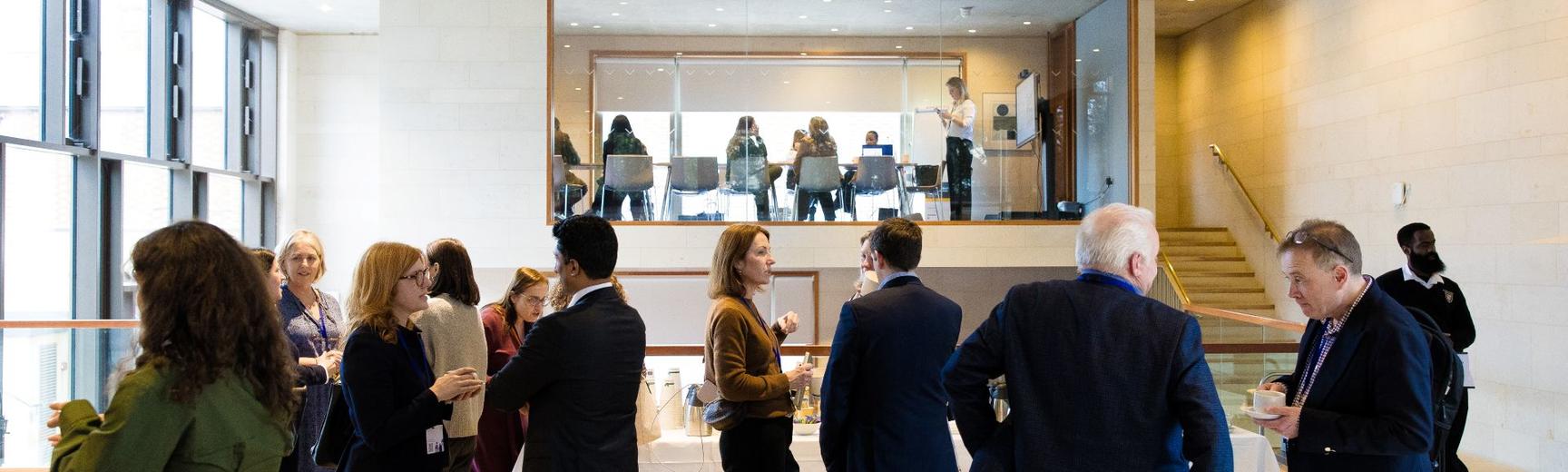
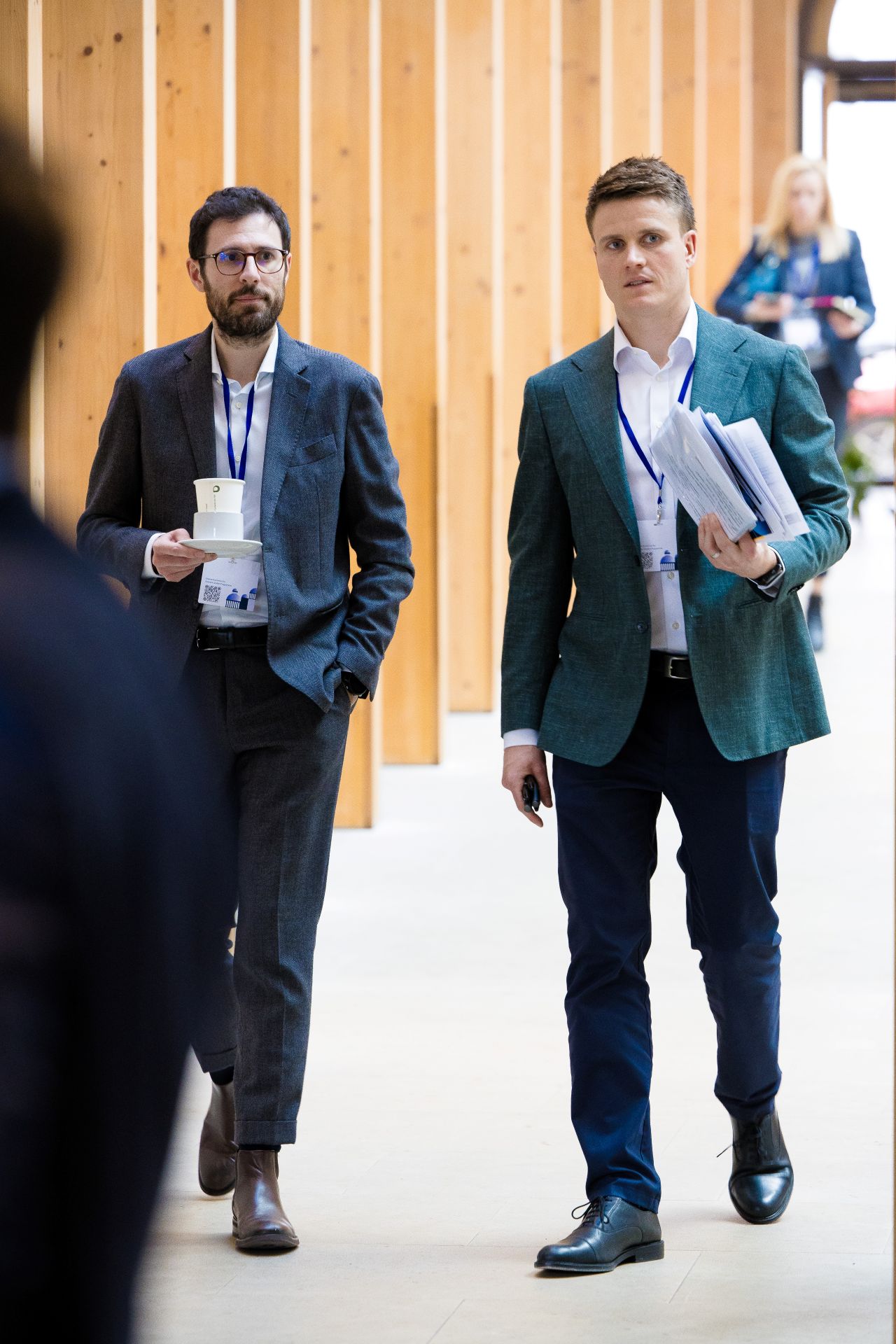
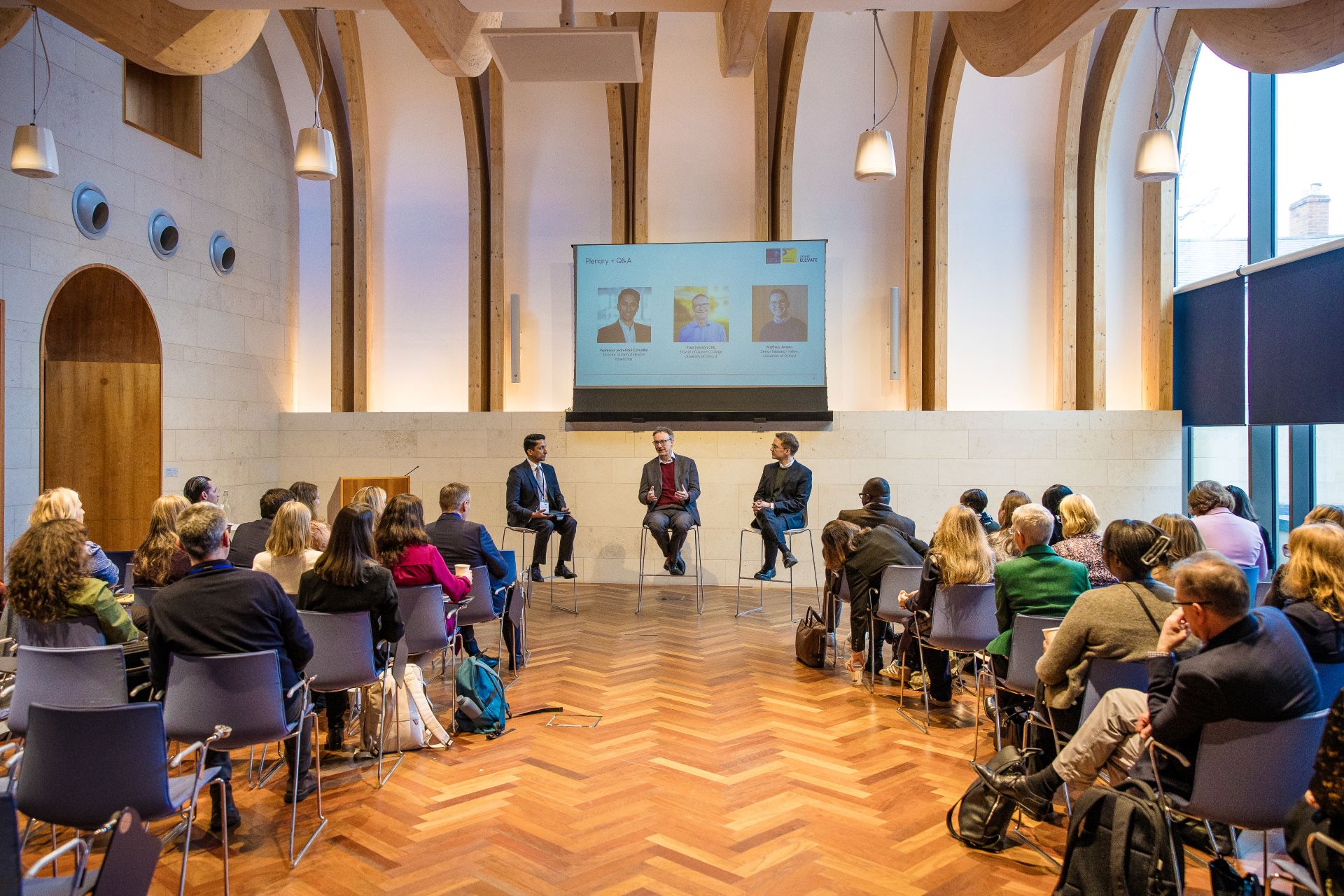
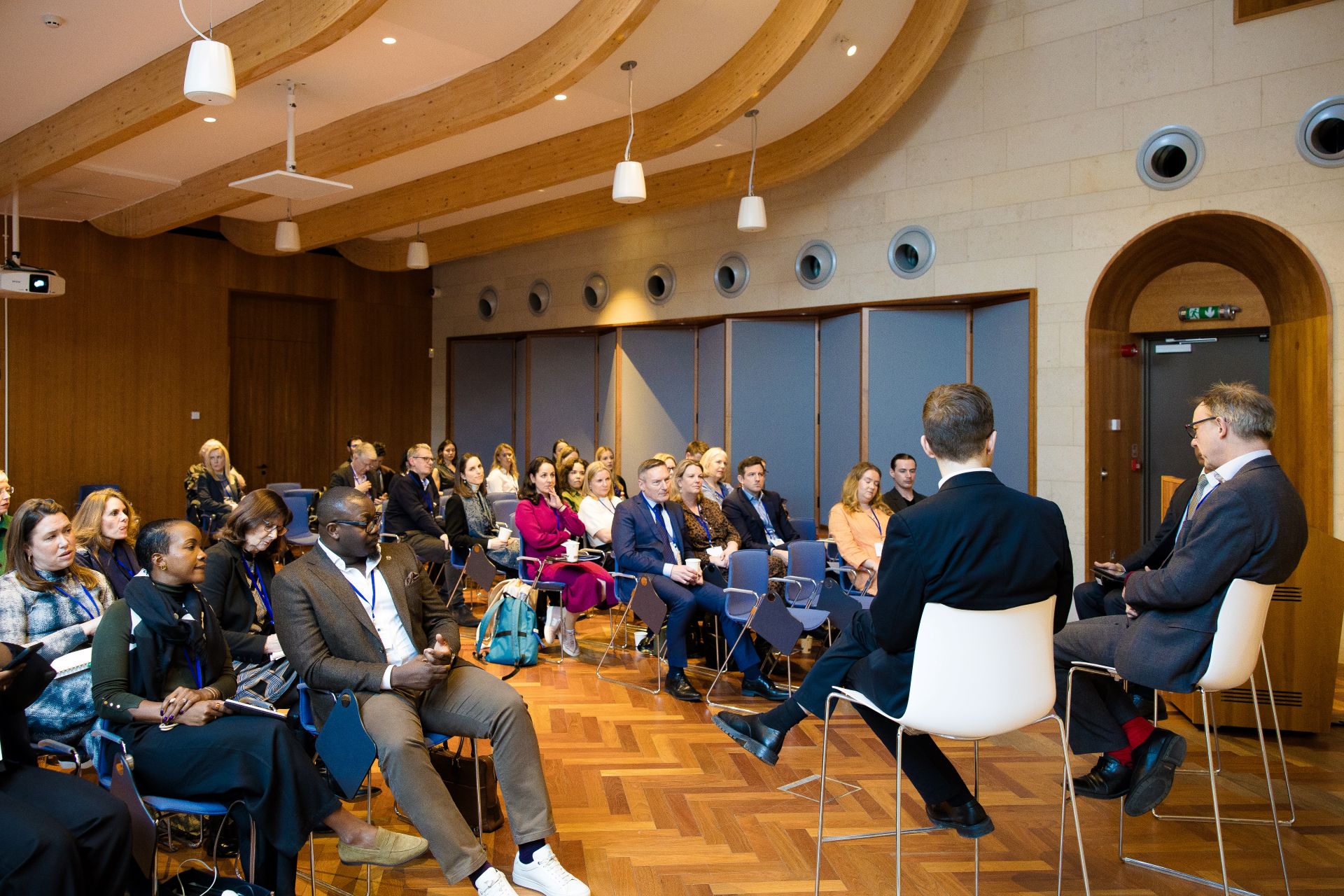
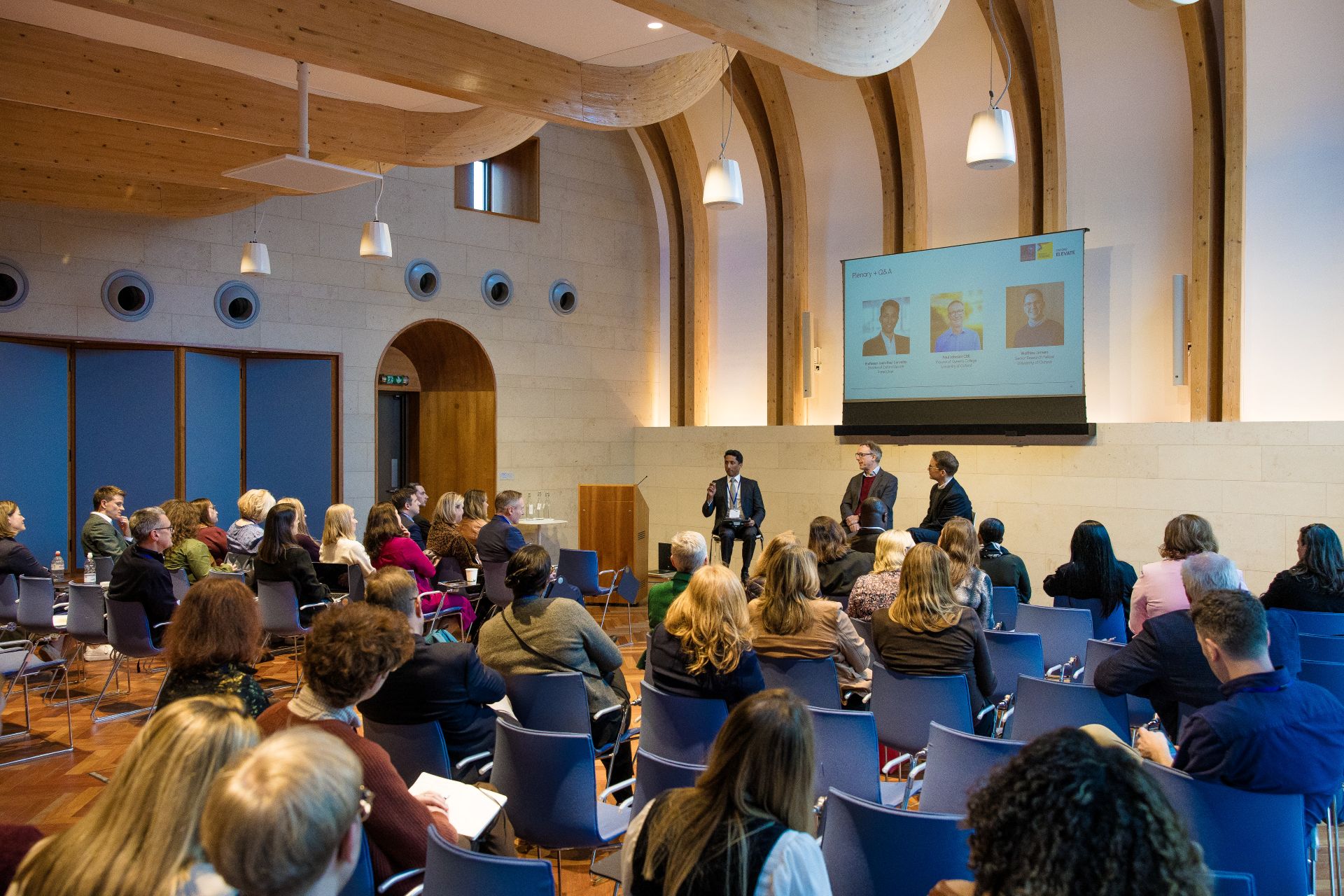
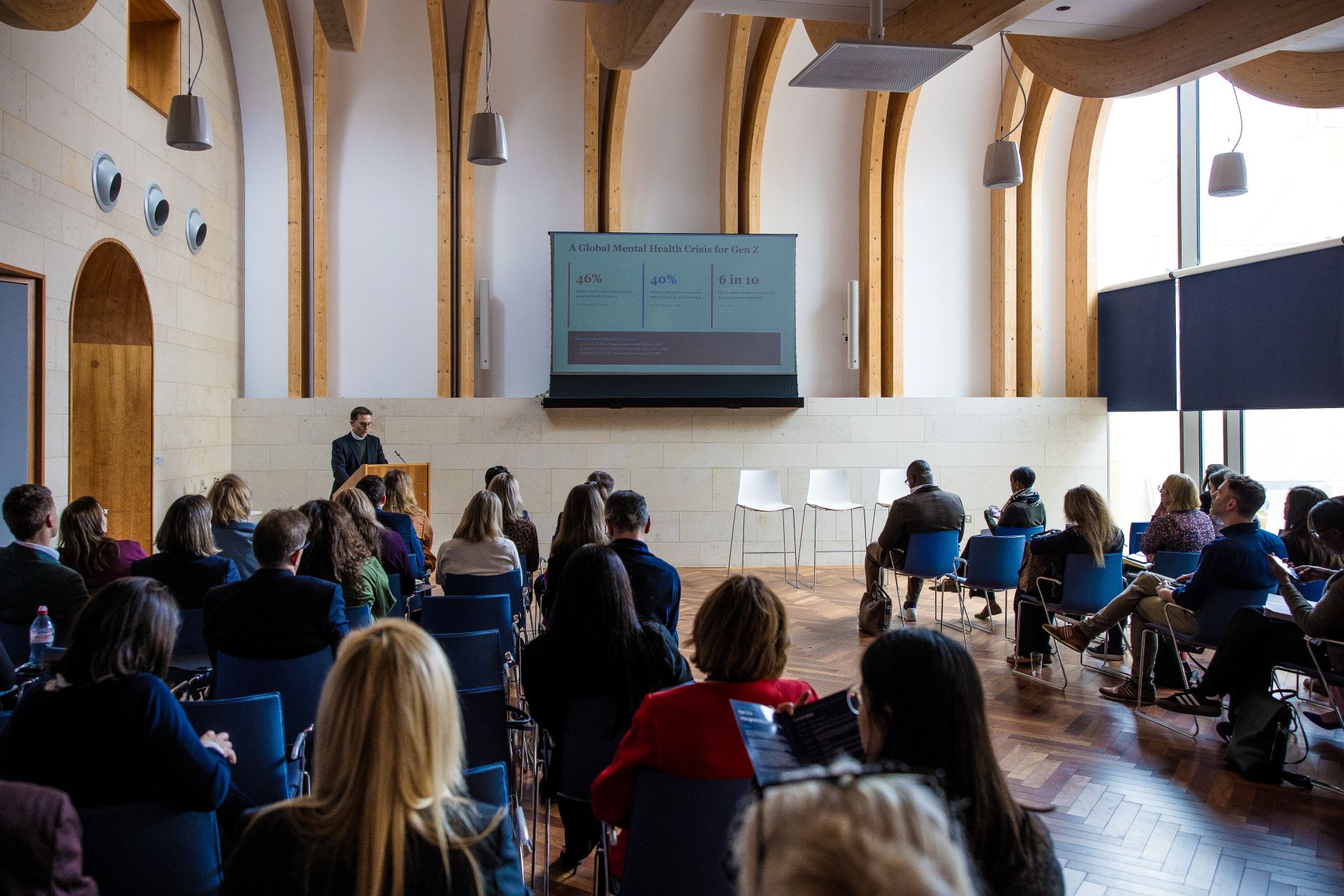
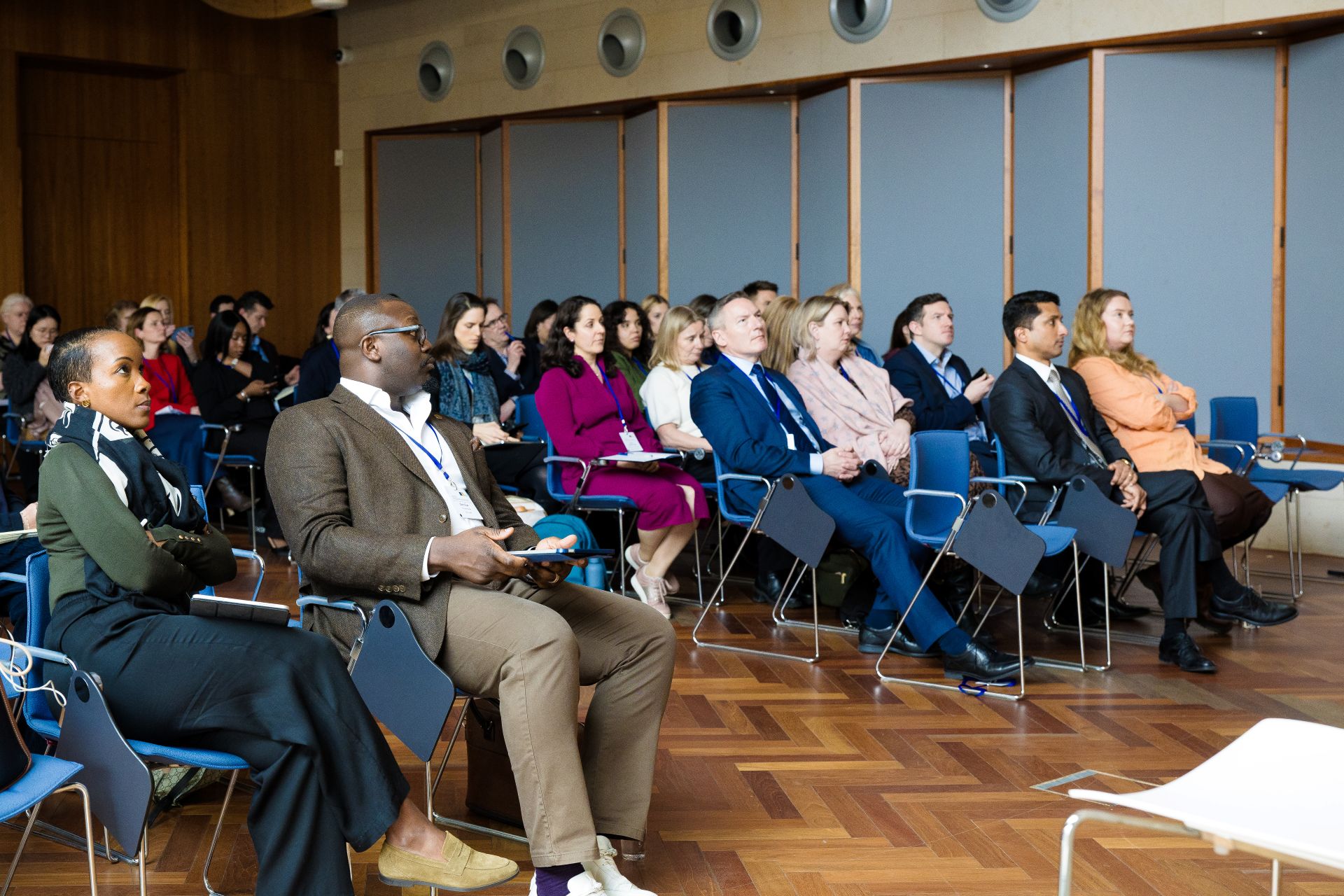
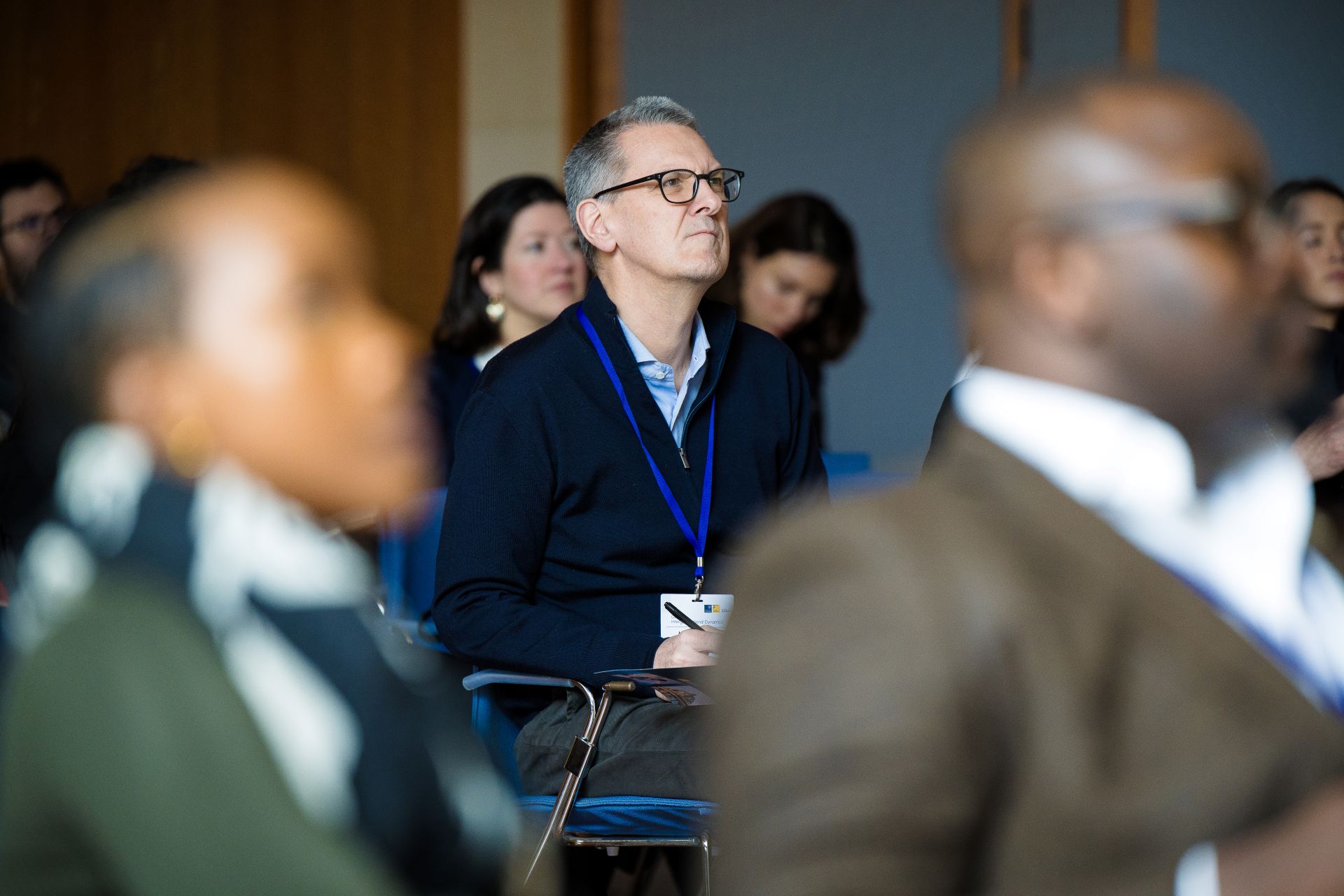
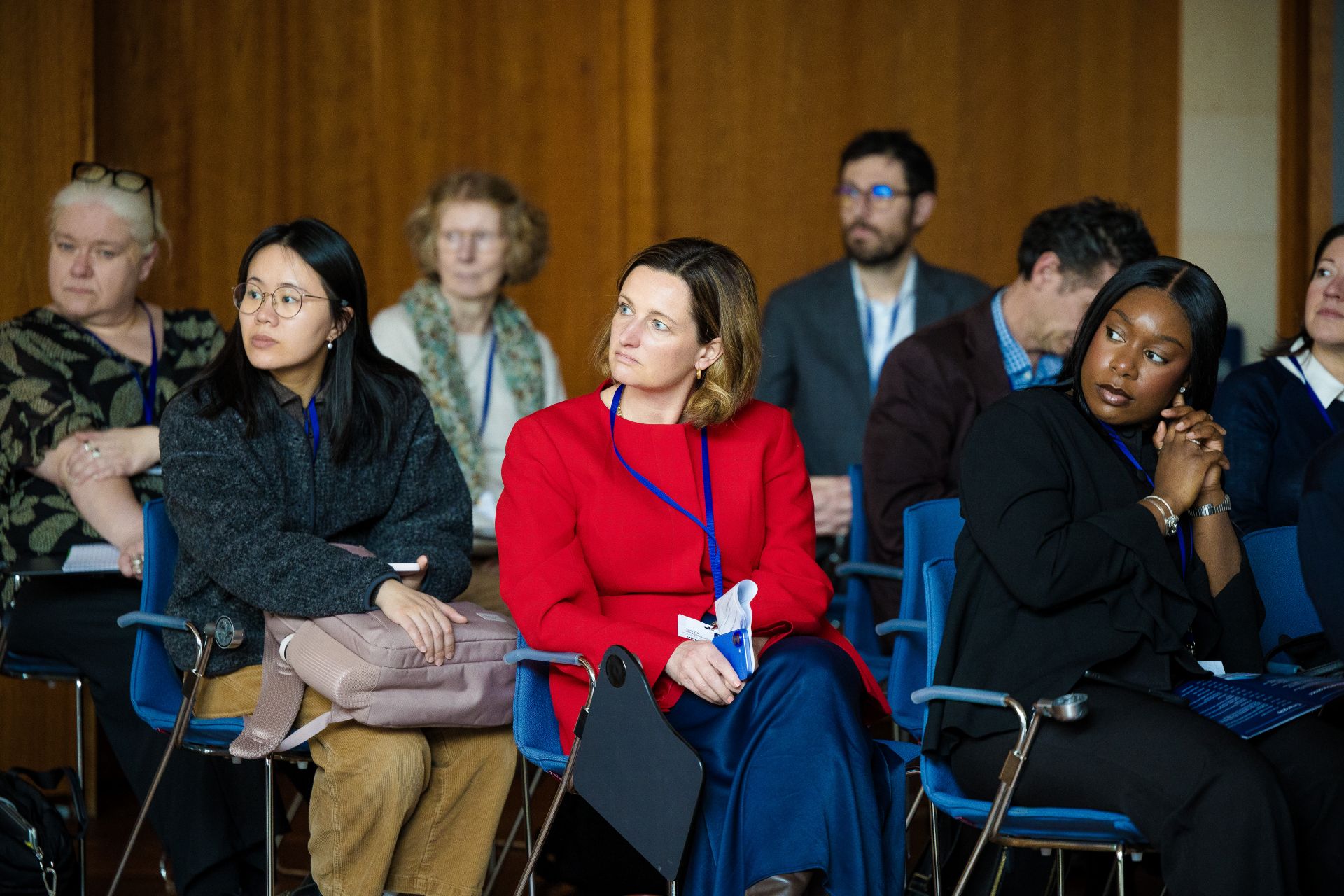
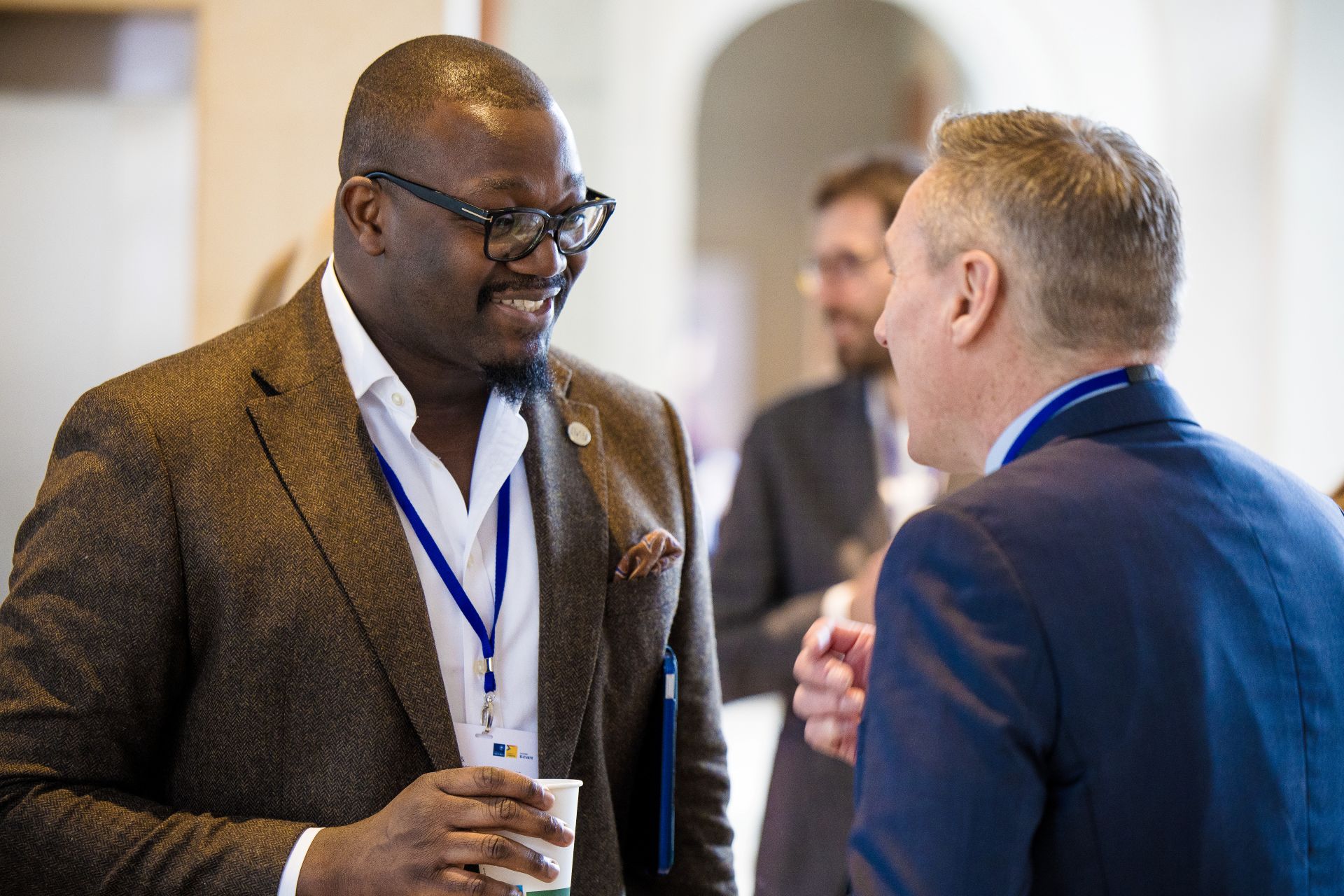
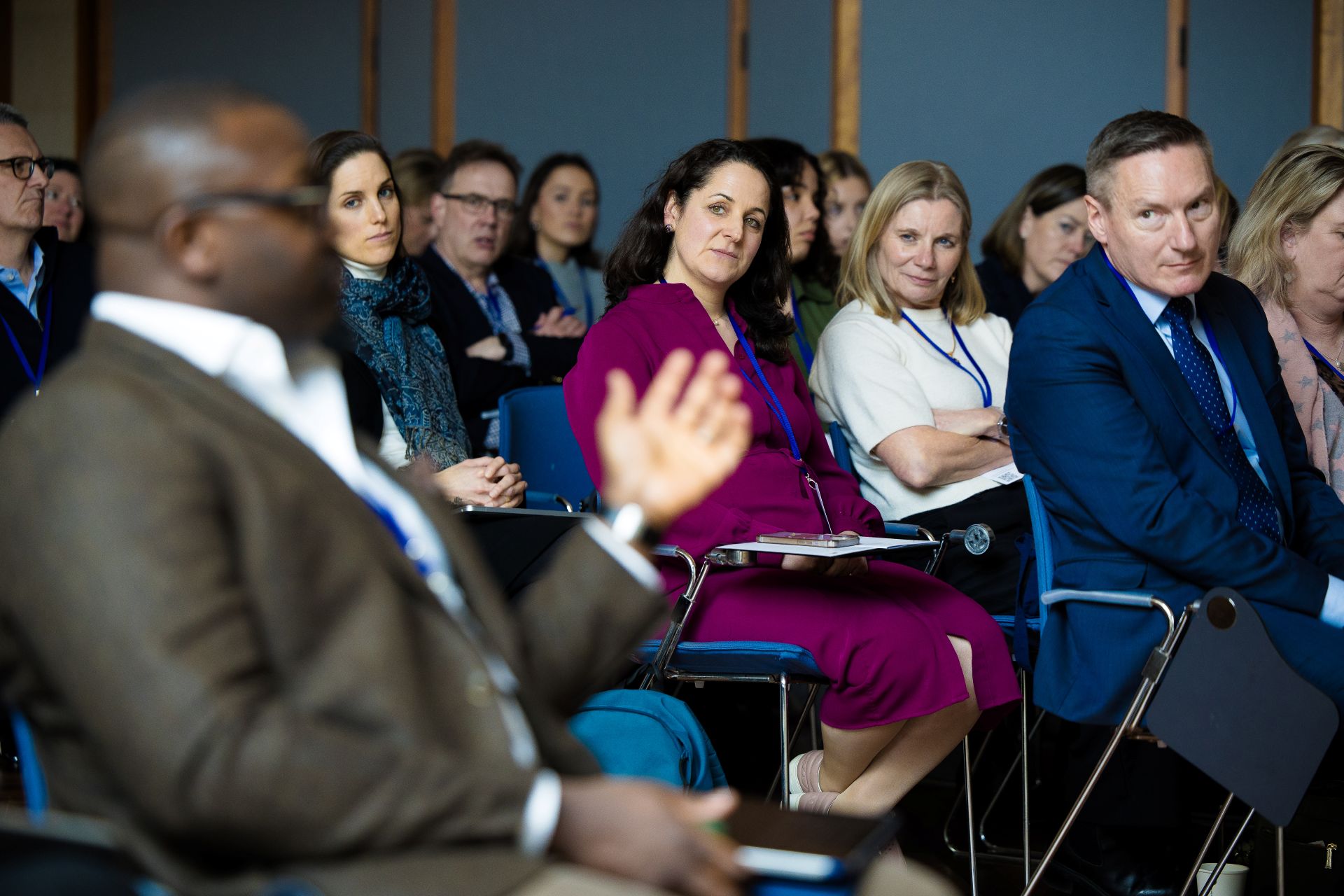
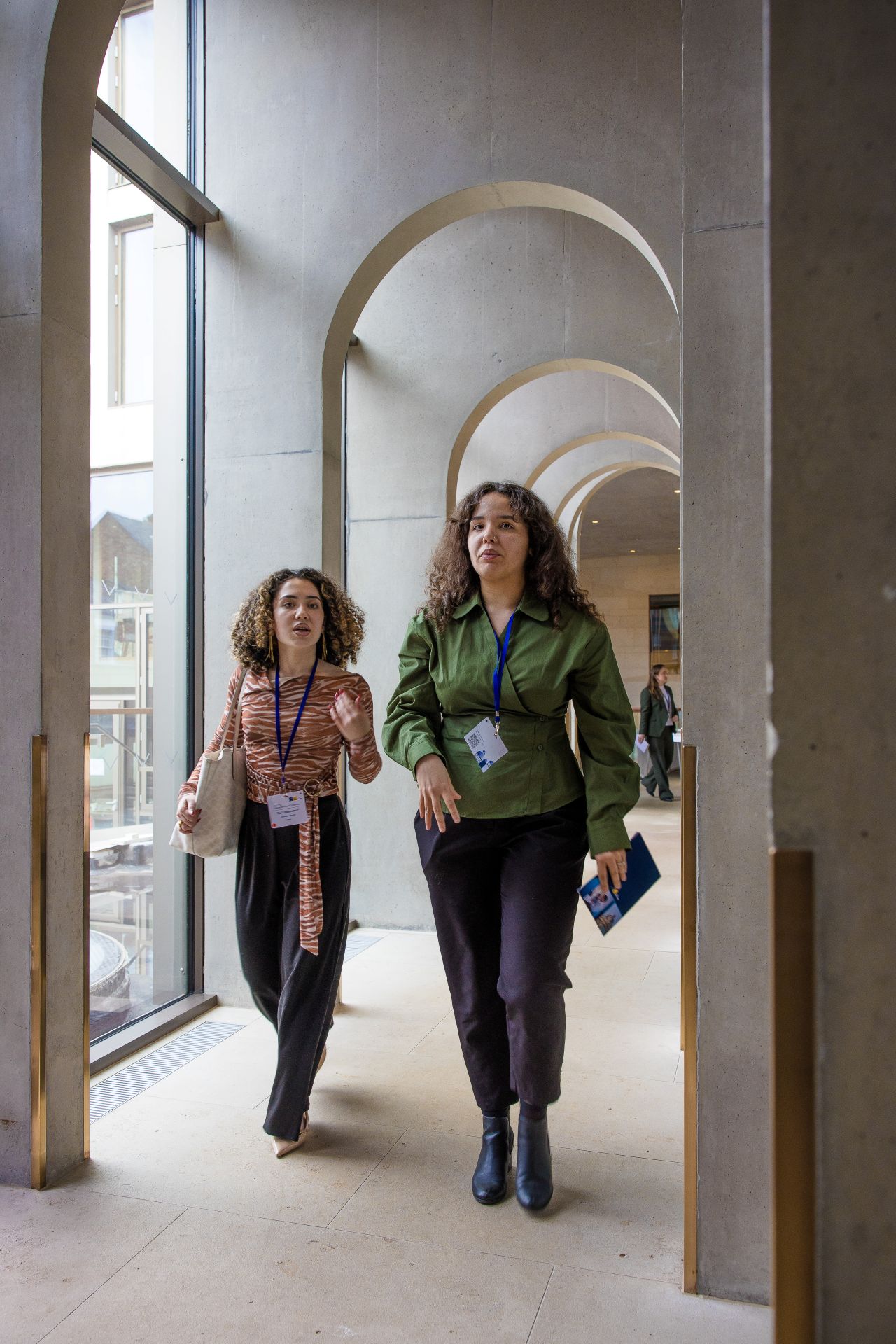
This week, the Department of Economics brought together academics, policymakers and industry leaders for its annual Oxford Elevate workshop to explore one of the most important questions arising from that change: how can organisations better understand, support and learn from Generation Z within a multigenerational workforce?
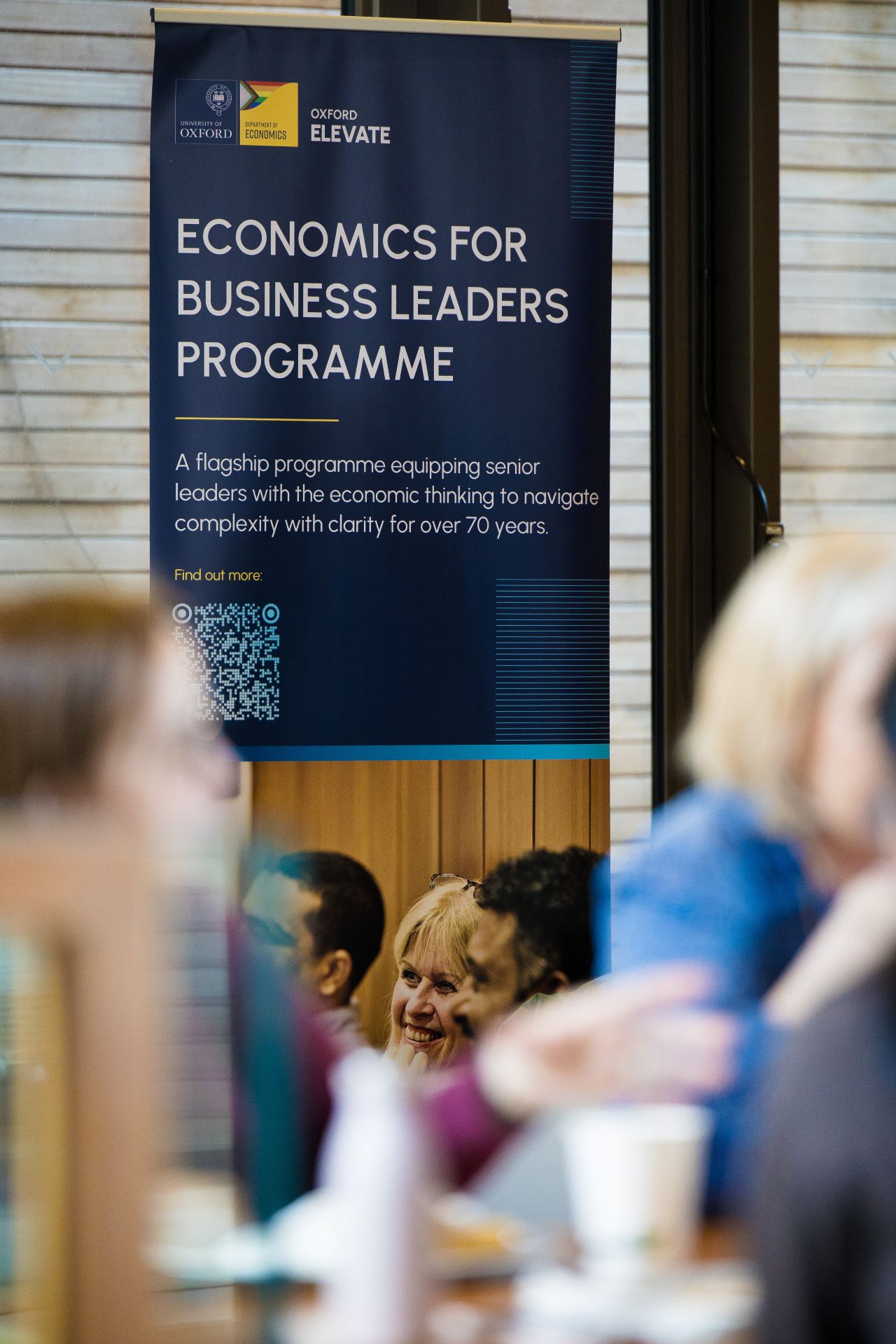
Oxford Elevate is the Department of Economics’ executive education portfolio, offering perspectives grounded in rigorous economic thinking to help leaders navigate a changing world.
Focused on ‘Gen Z and Intergenerational Dynamics’, the event examined the experiences of a generation now entering the labour market at a moment of major economic, technological and demographic change. Defined broadly as those born between the late 1990s and early 2010s, Gen Z is the first cohort to come of age in a fully digital world, and to build working lives alongside four older generations.
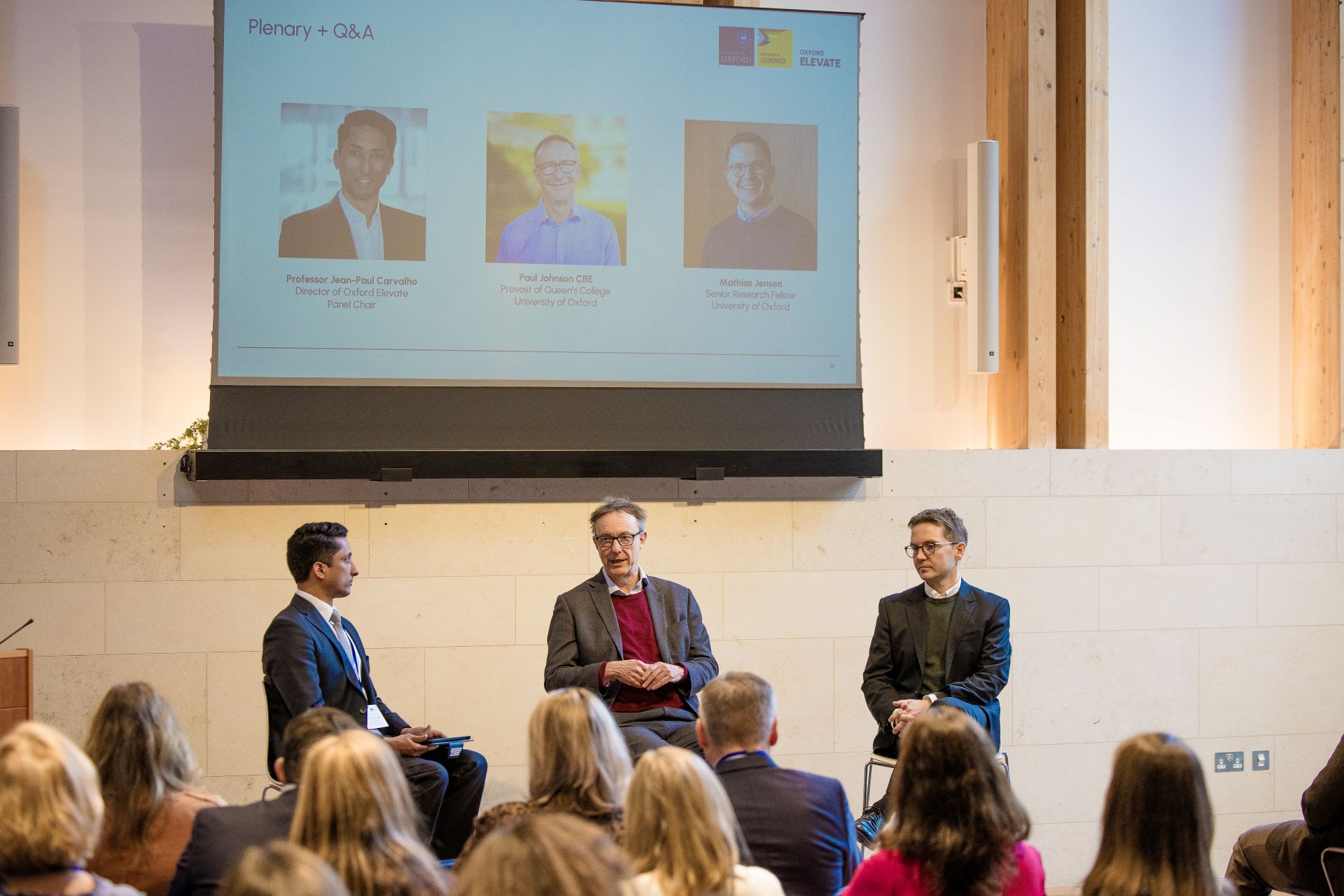
As Jean-Paul Carvalho, Director of Oxford Elevate, noted, the experiences and concerns of Gen Z are too often simplified or dismissed, despite their growing economic and social significance.
Rethinking generations in the workplace
Professor Grace Lordan’s keynote set the tone for the day by challenging one of the most familiar ways of talking about work: the tendency to reduce people to generational labels.
With up to four or five generations now working alongside one another in many organisations, she argued that the real question is not whether age groups can be neatly defined, but whether workplaces are designed to help people work well across differences in age and experience.
Her research suggested that when communication and expectations break down, productivity can suffer. Employees with Managers with a substantial age gap between themselves and their employees were significantly more likely to report low productivity.
But the message was not pessimistic. Lordan emphasised that age diversity can be a genuine strength when organisations move beyond a merely multigenerational workforce, in which groups exist side by side, towards an intergenerational one shaped by meaningful exchange, inclusive leadership and thoughtful management practices.
Rather than reinforcing generational stereotypes, her keynote made the case for something more useful and more ambitious: creating workplaces in which people of different ages can collaborate, contribute and perform at their best.
A harsher economic reality
The workshop also turned to the wider economic forces shaping younger generations. In his keynote on intergenerational inequalities, Paul Johnson, Provost of The Queen’s College, set out a stark picture: for many young people, the path to economic security has become both narrower and less certain. After two decades of weak growth in living standards, younger cohorts are coming of age in an economy where earnings growth has stalled, wealth matters more than it once did, and access to home ownership is increasingly tied to parental resources.
Johnson’s analysis showed that younger generations have seen weaker income growth while parental wealth has grown, with those from wealthier families able to get on the housing ladder earlier, even after accounting for earnings. The result is a profound shift in how advantage is passed on. For younger generations, the challenge is no longer simply building a career, but doing so in an economy where the traditional routes to stability are becoming harder to reach.
Mental health and productivity
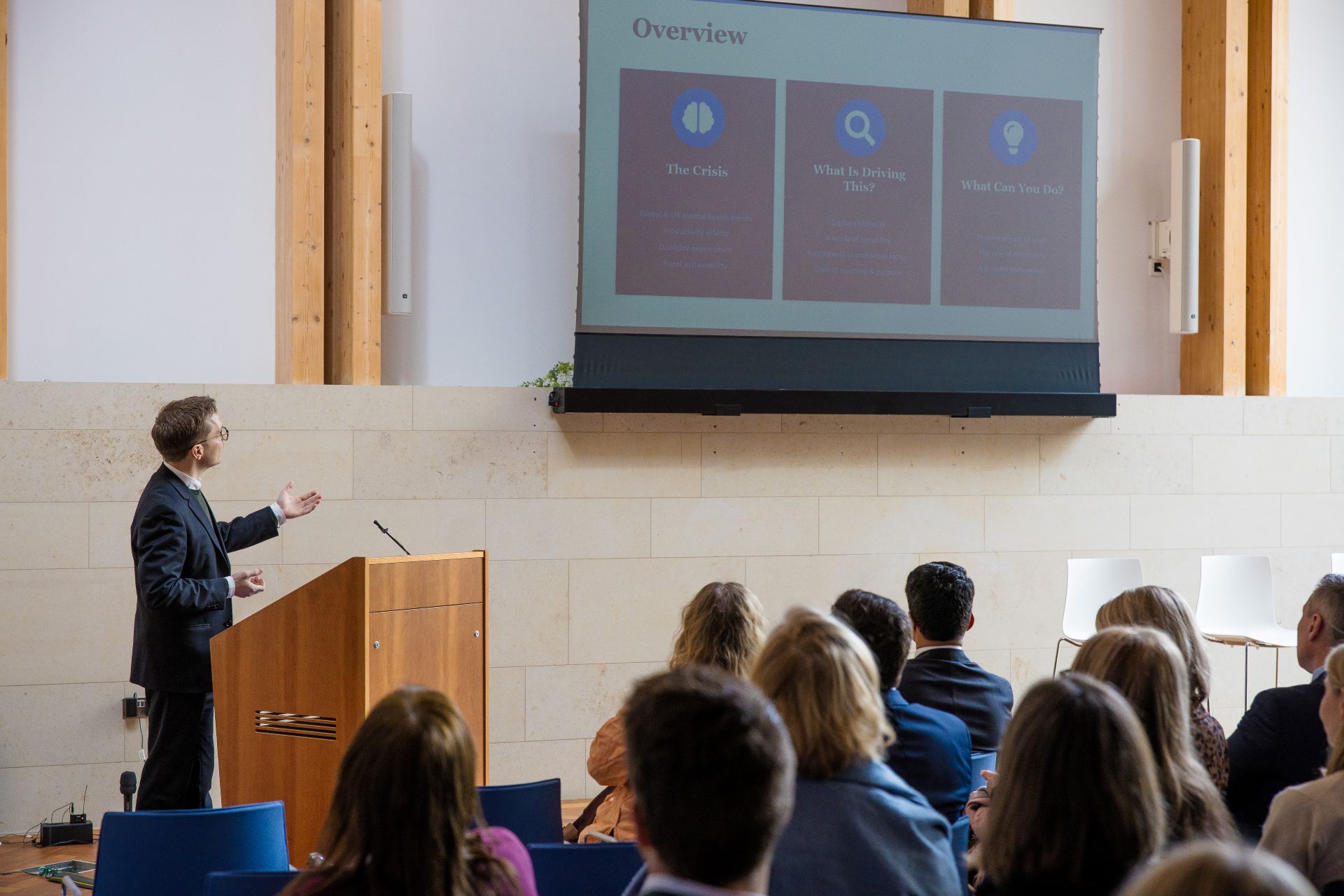
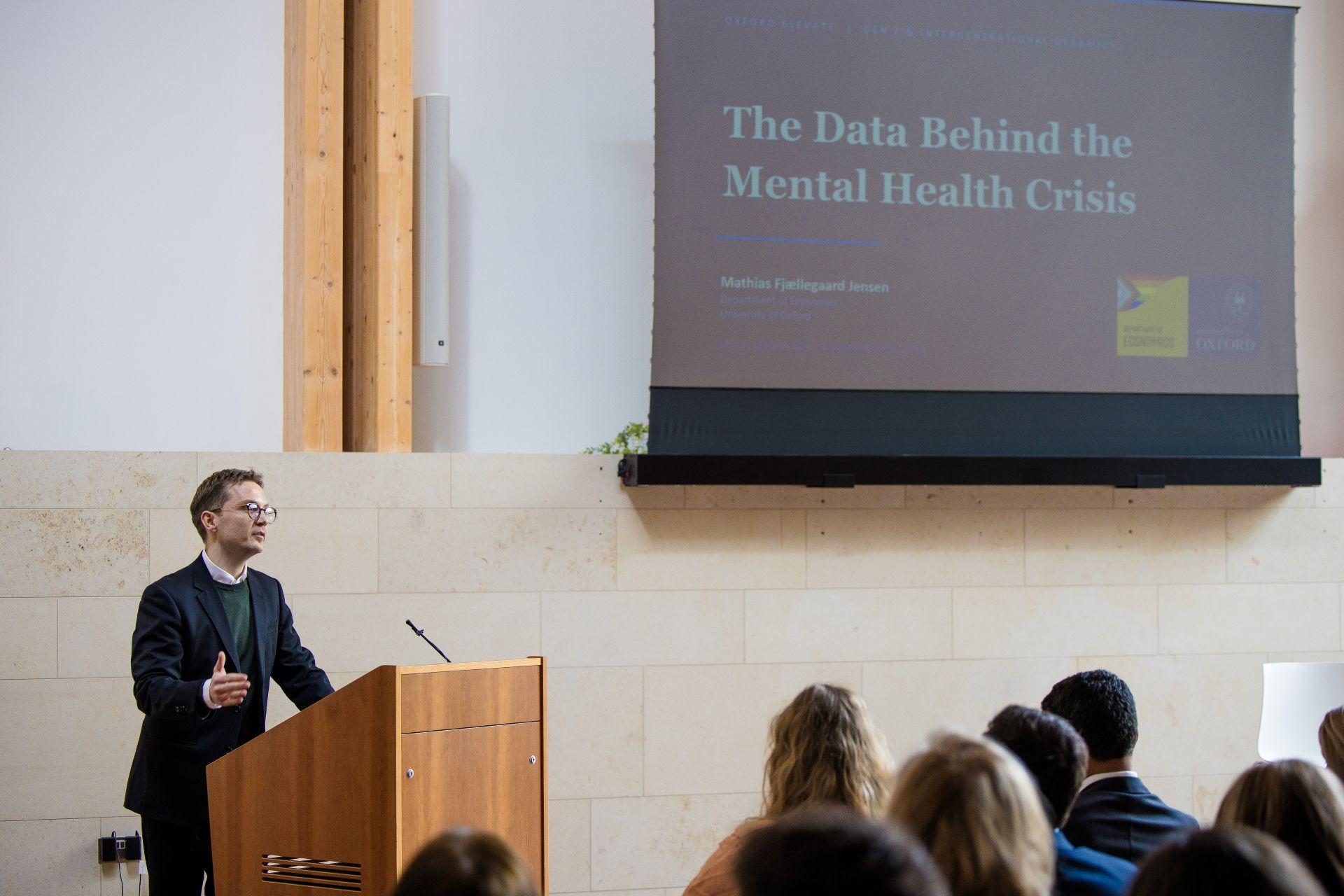
Mathias Fjællegaard Jensen brought the discussion into even sharper focus with a keynote on the data behind the mental health crisis facing younger generations. His analysis showed that this is not a marginal issue, but one with far-reaching consequences for education, work and economic participation. In the UK, mental ill health among young people has risen markedly in recent years, with particularly severe effects for young women, while nearly 1 million 16 to 24-year-olds are now not in education, employment or training.
Jensen argued that the costs of this crisis are already being felt not only by individuals, but by employers and the wider economy, through lost productivity, rising inactivity and growing pressure on public spending. But his argument did not end there. The deeper challenge, he suggested, is not only one of treatment, but of meaning, belonging and opportunity.
If work can provide structure, social connection and purpose, then the question is not simply how to respond to poor mental health once it emerges, but how to build pathways into working life that feel stable, humane and worth entering in the first place.
Putting ideas into practice
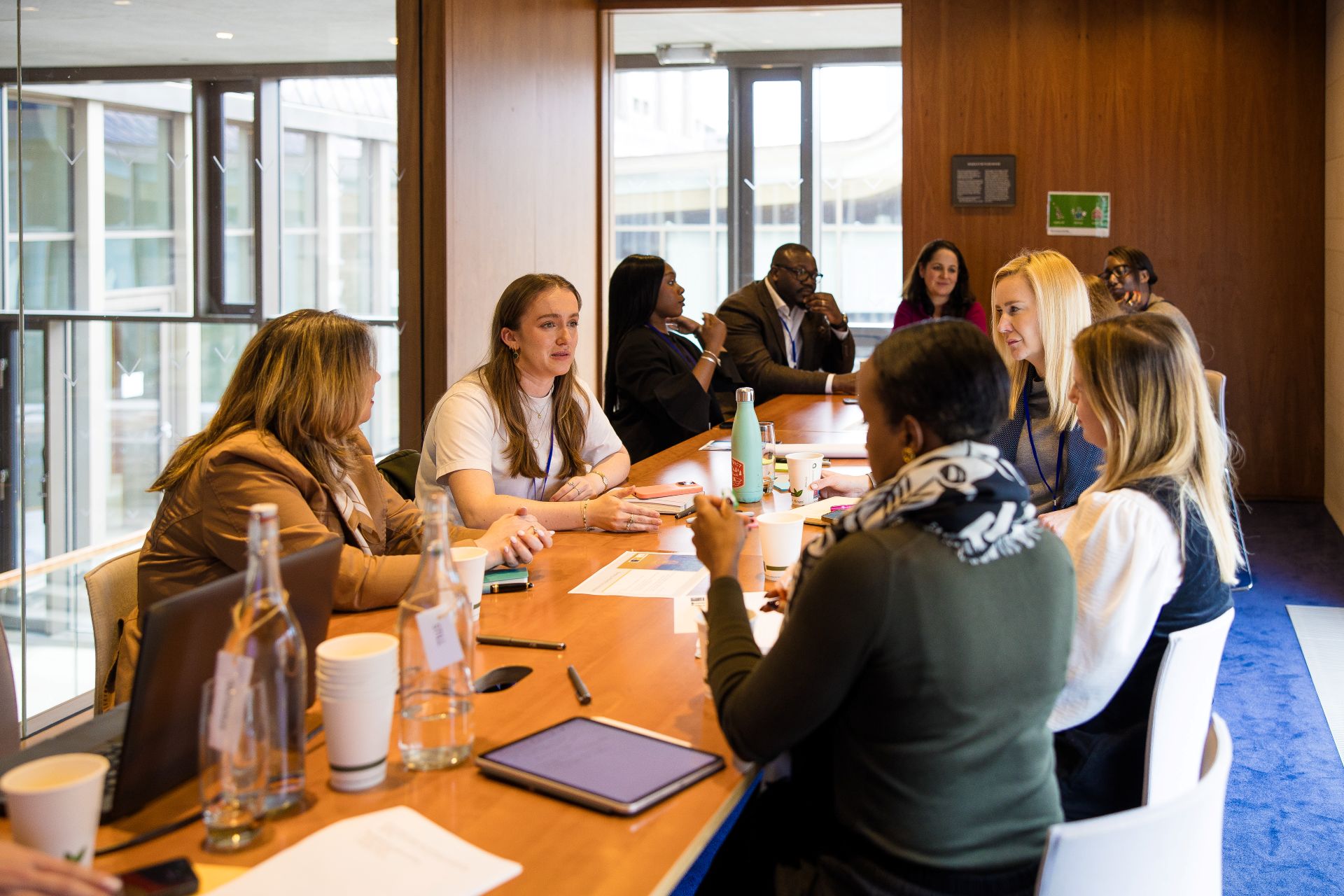
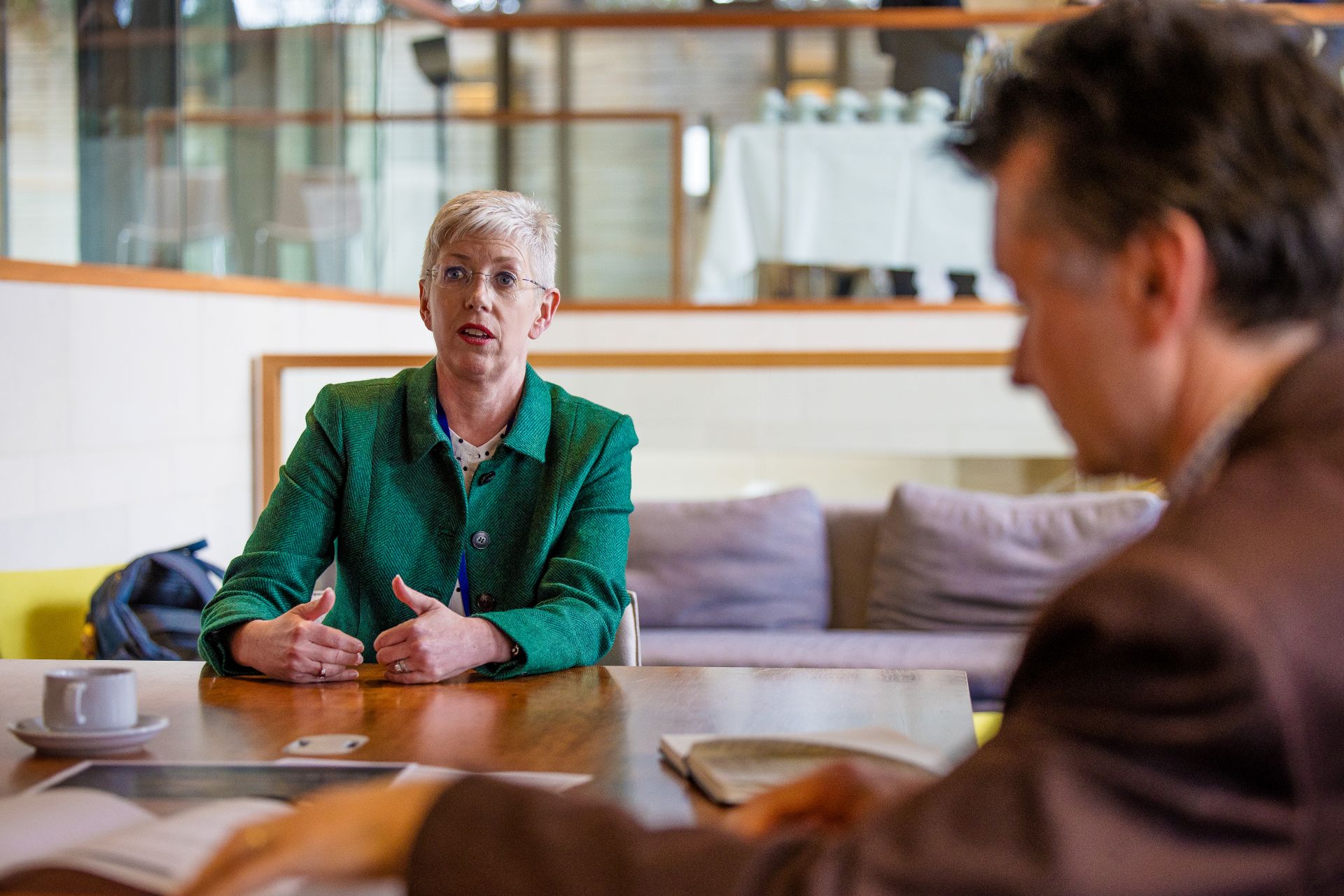
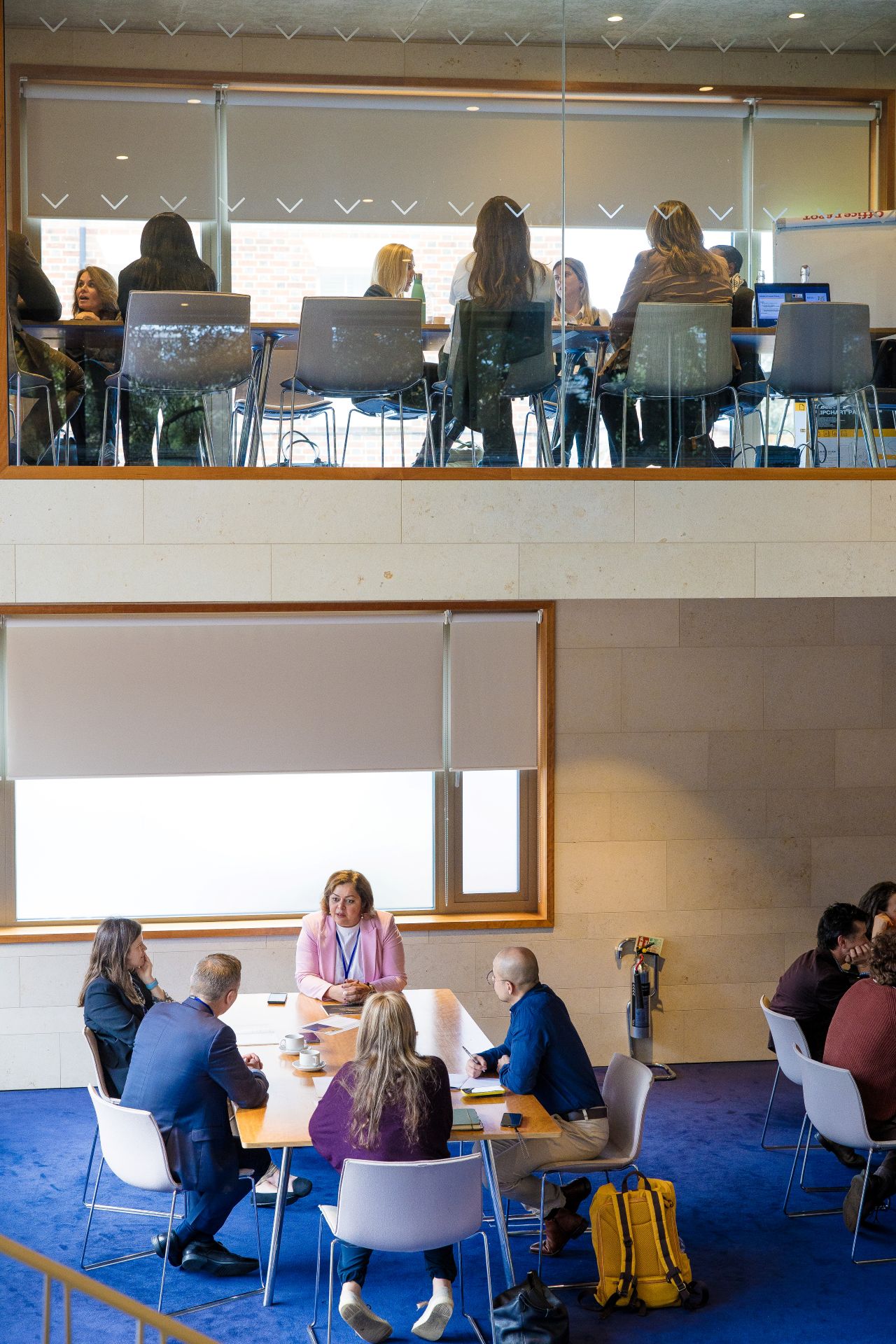
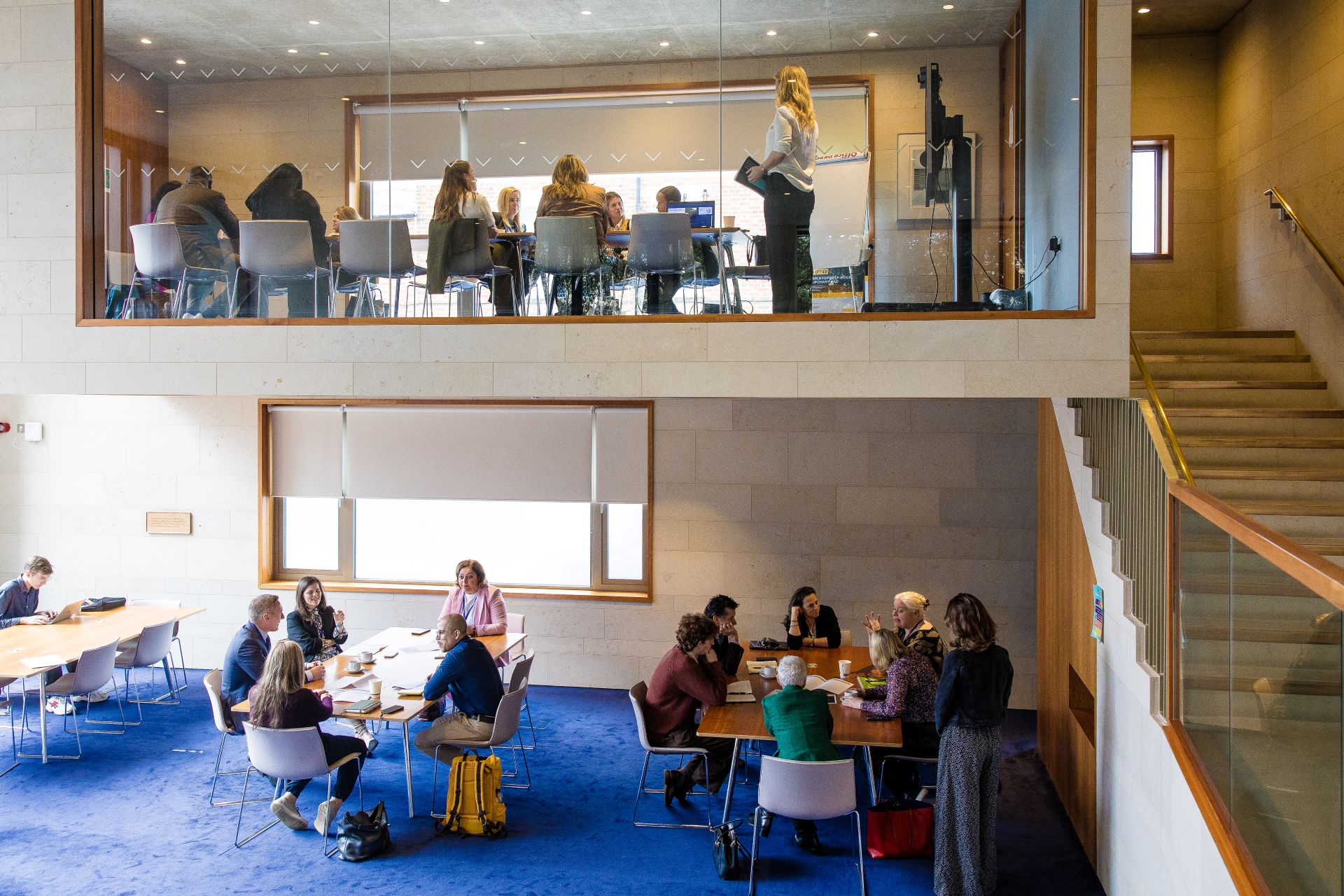
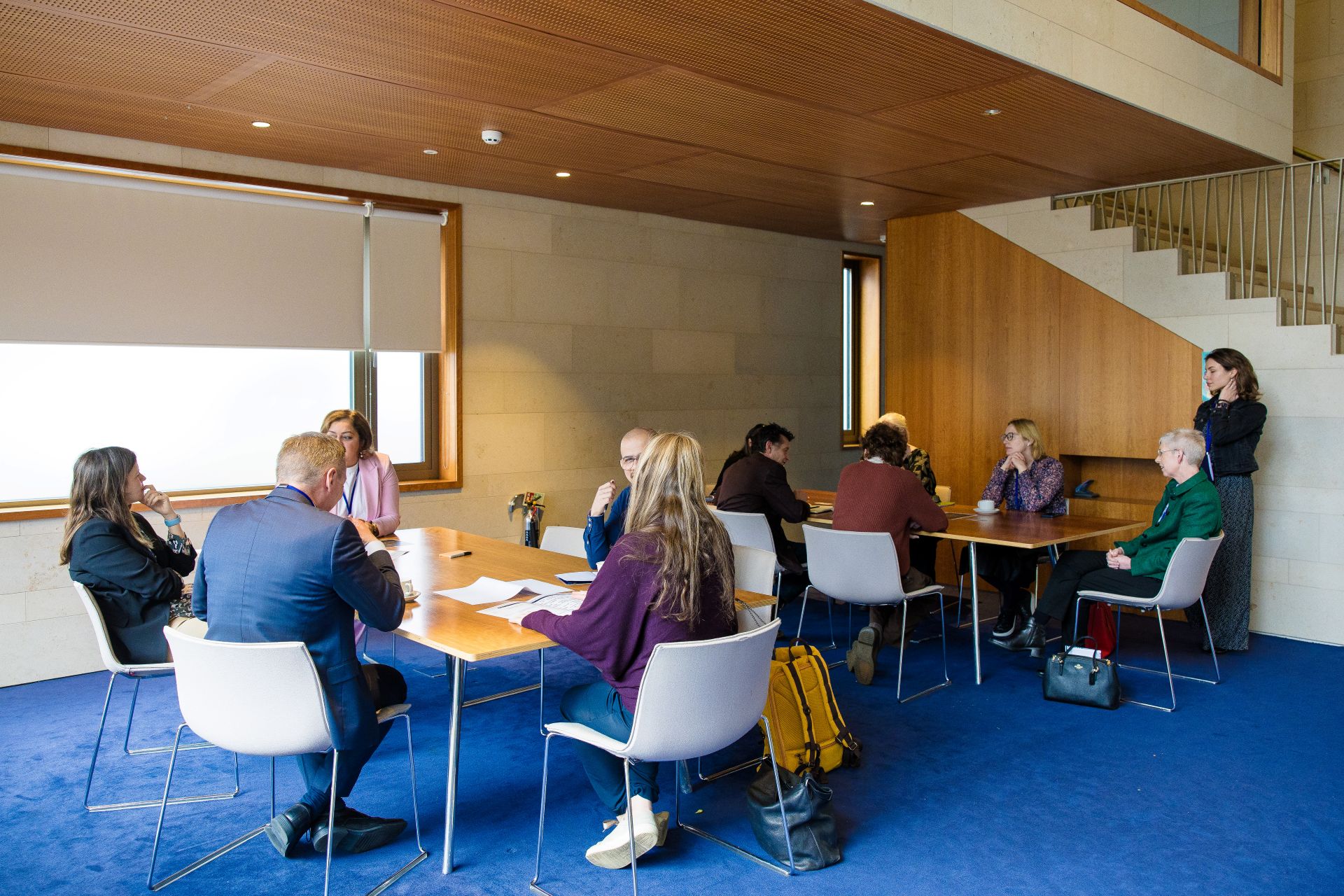
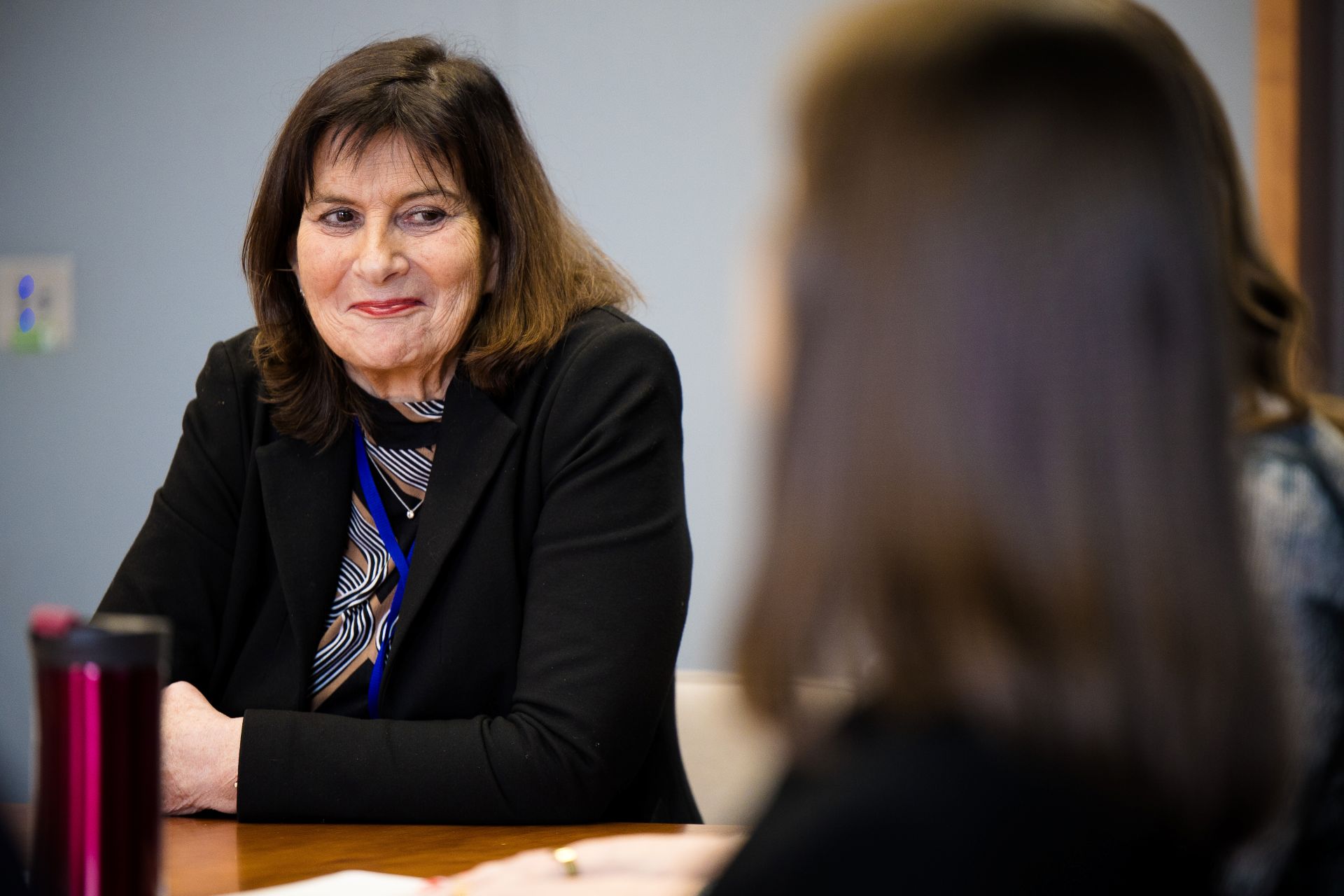
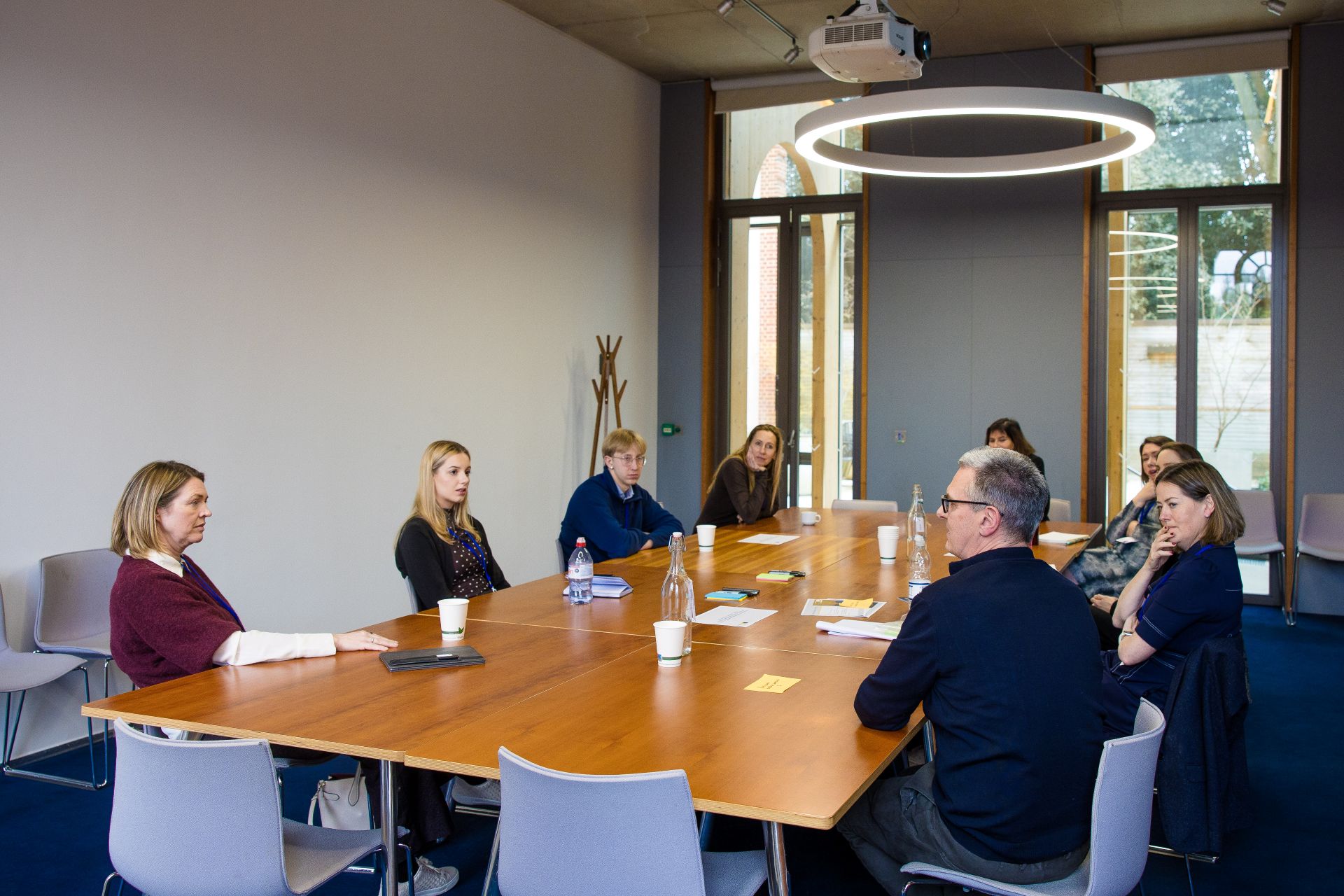
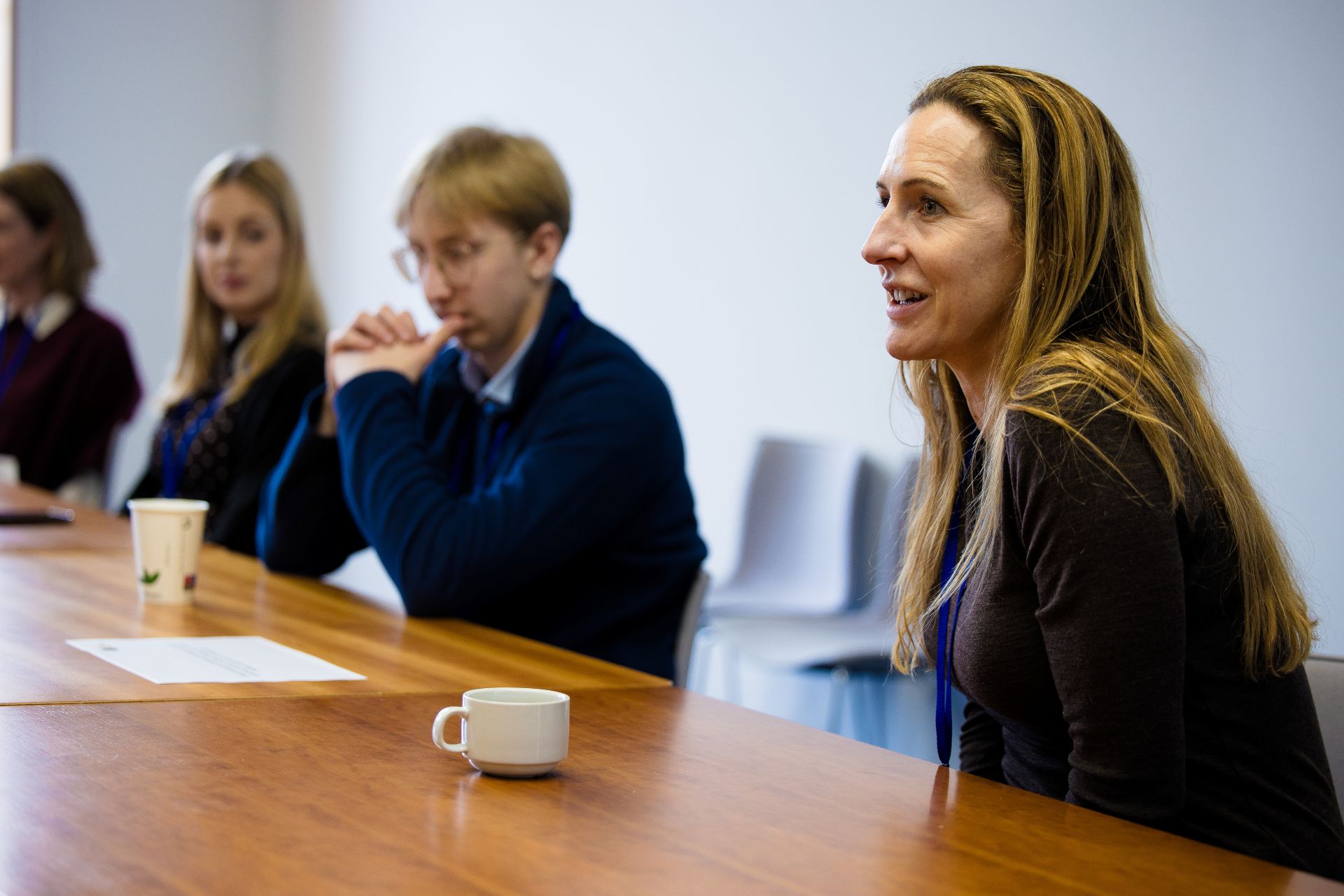
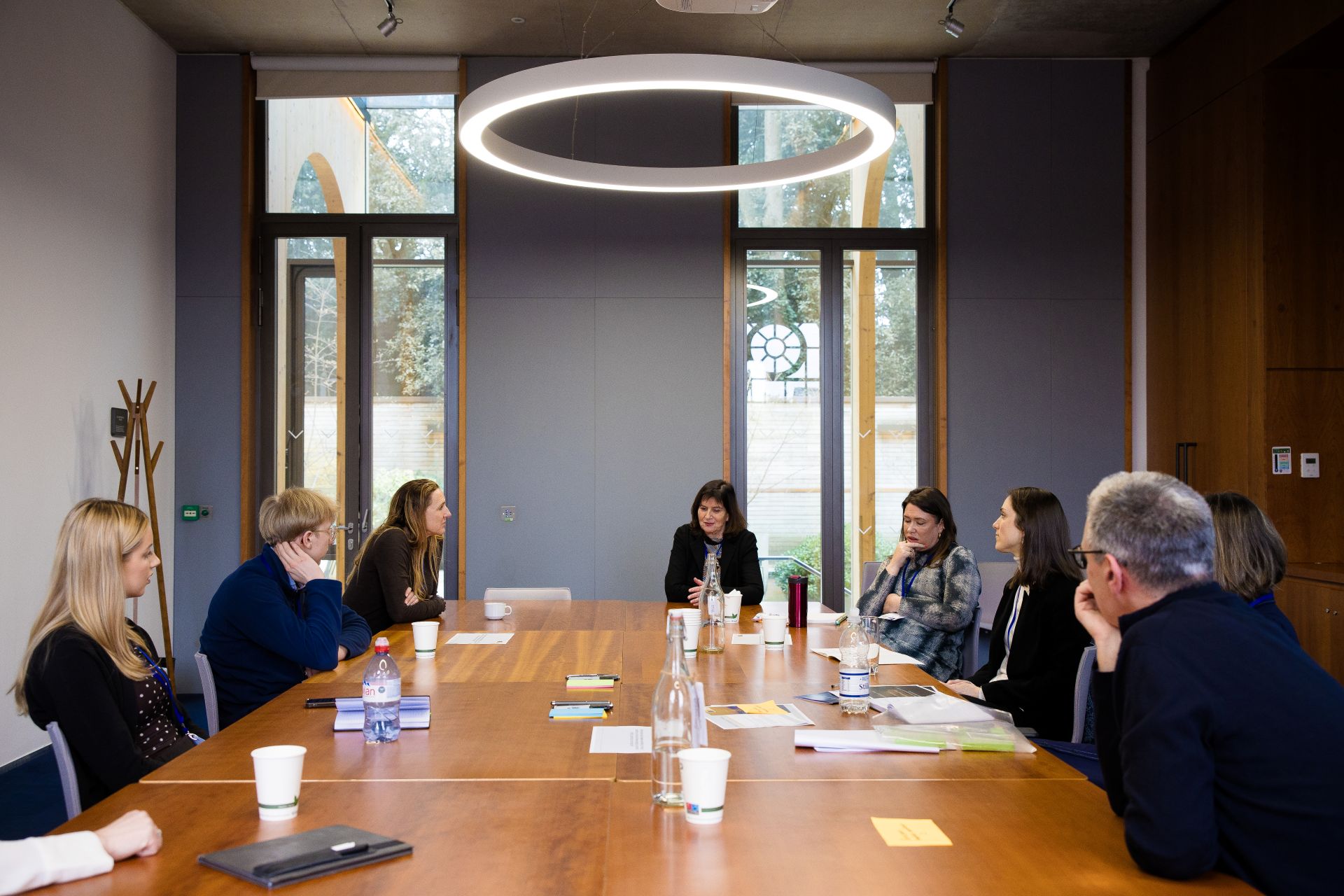
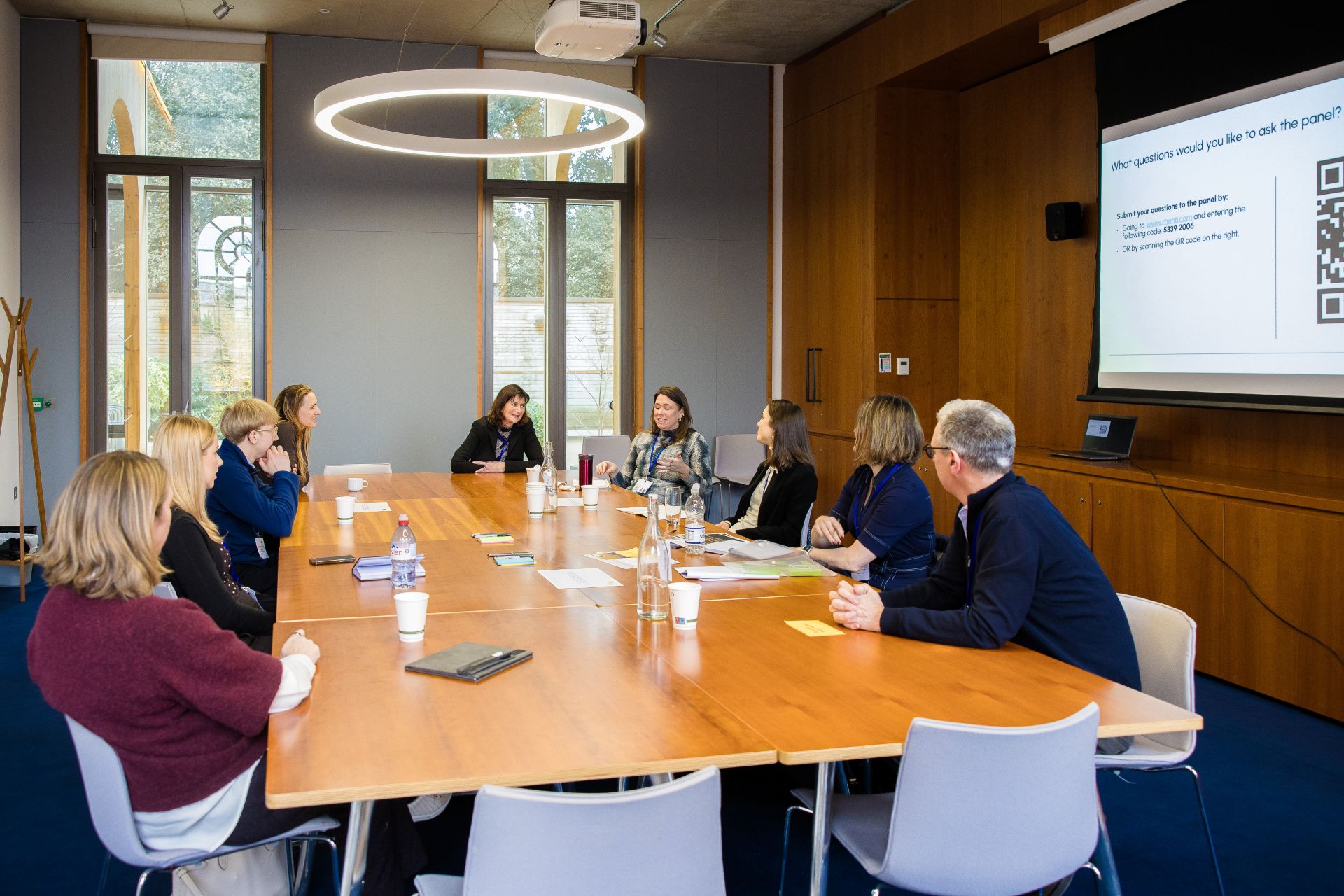
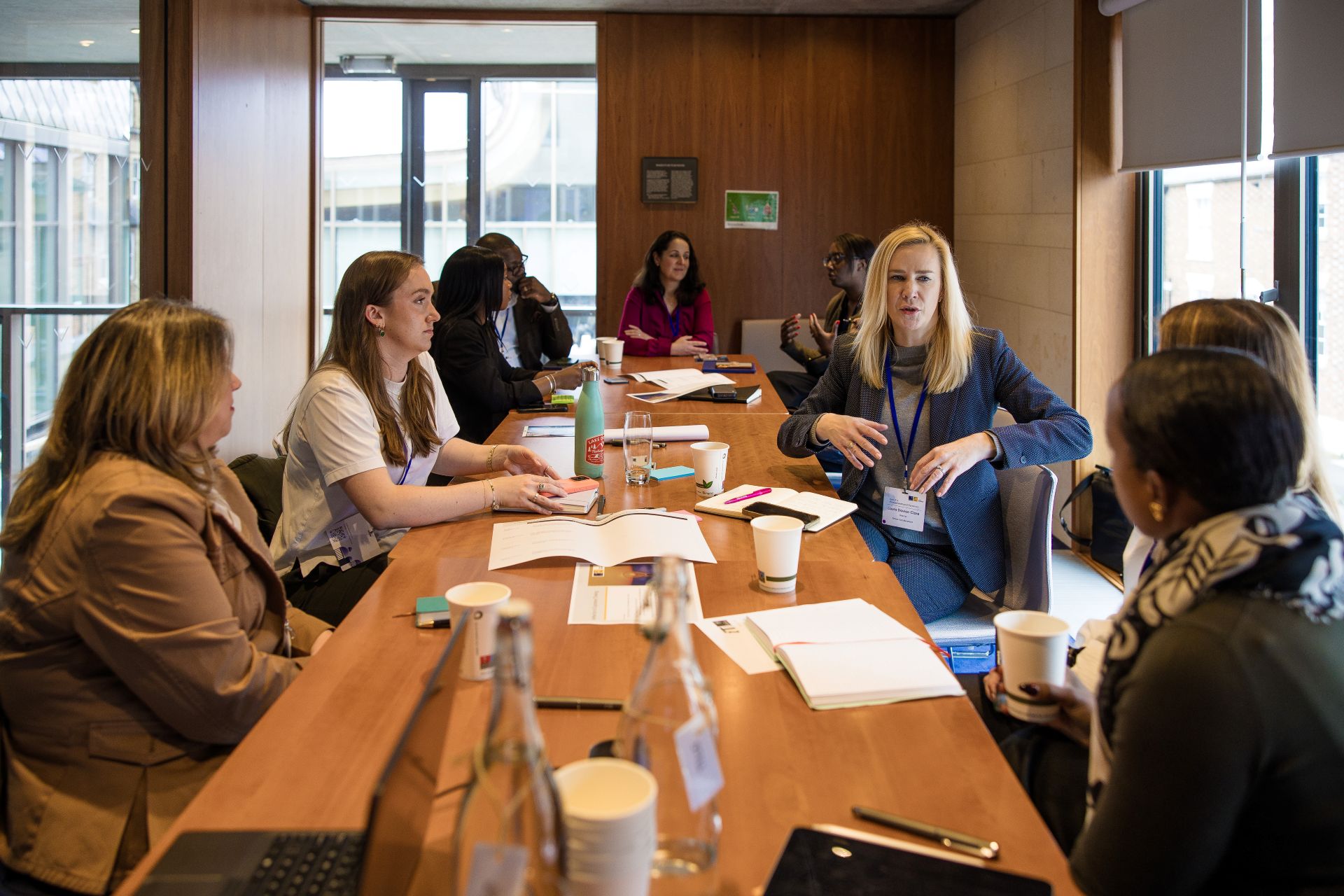
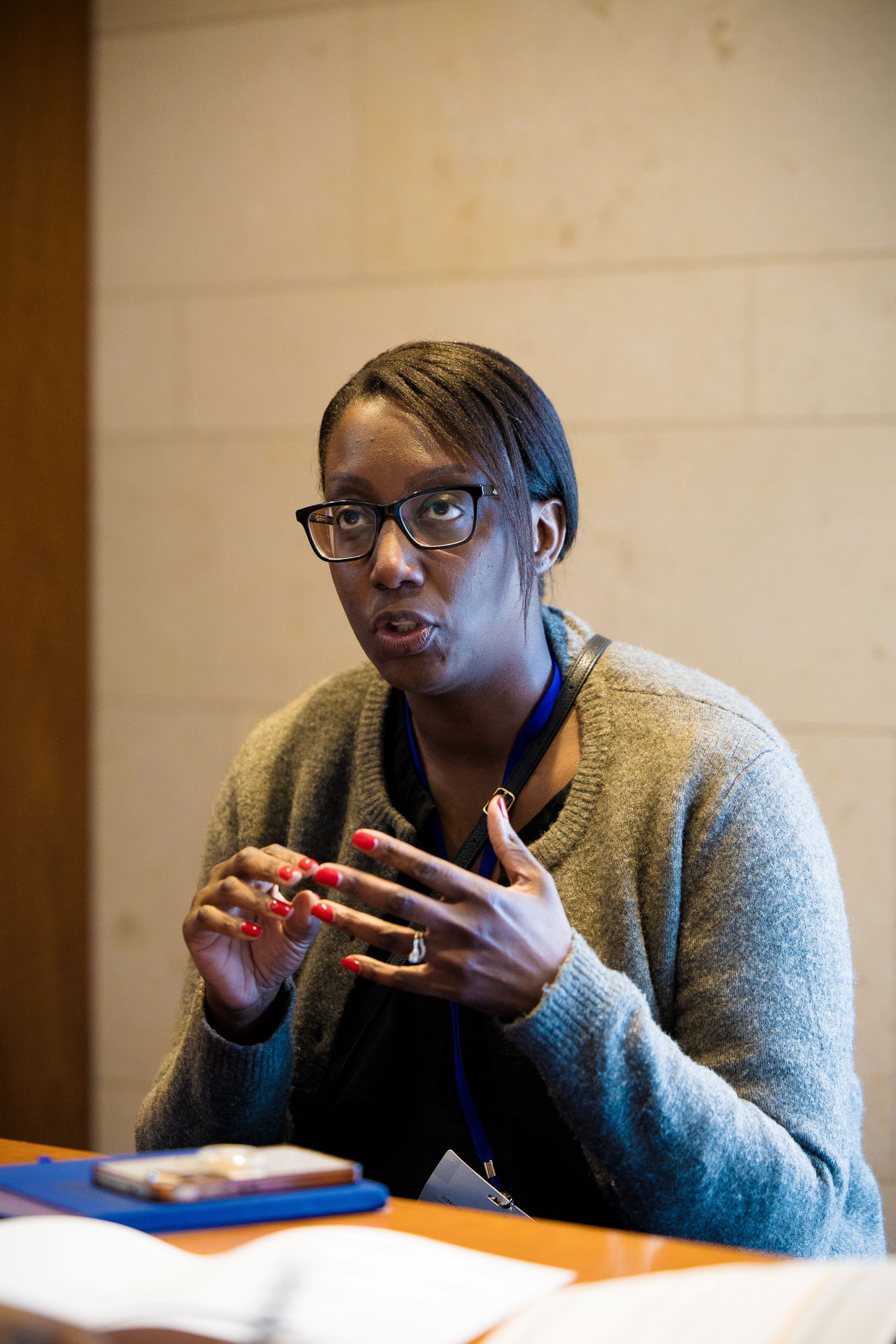
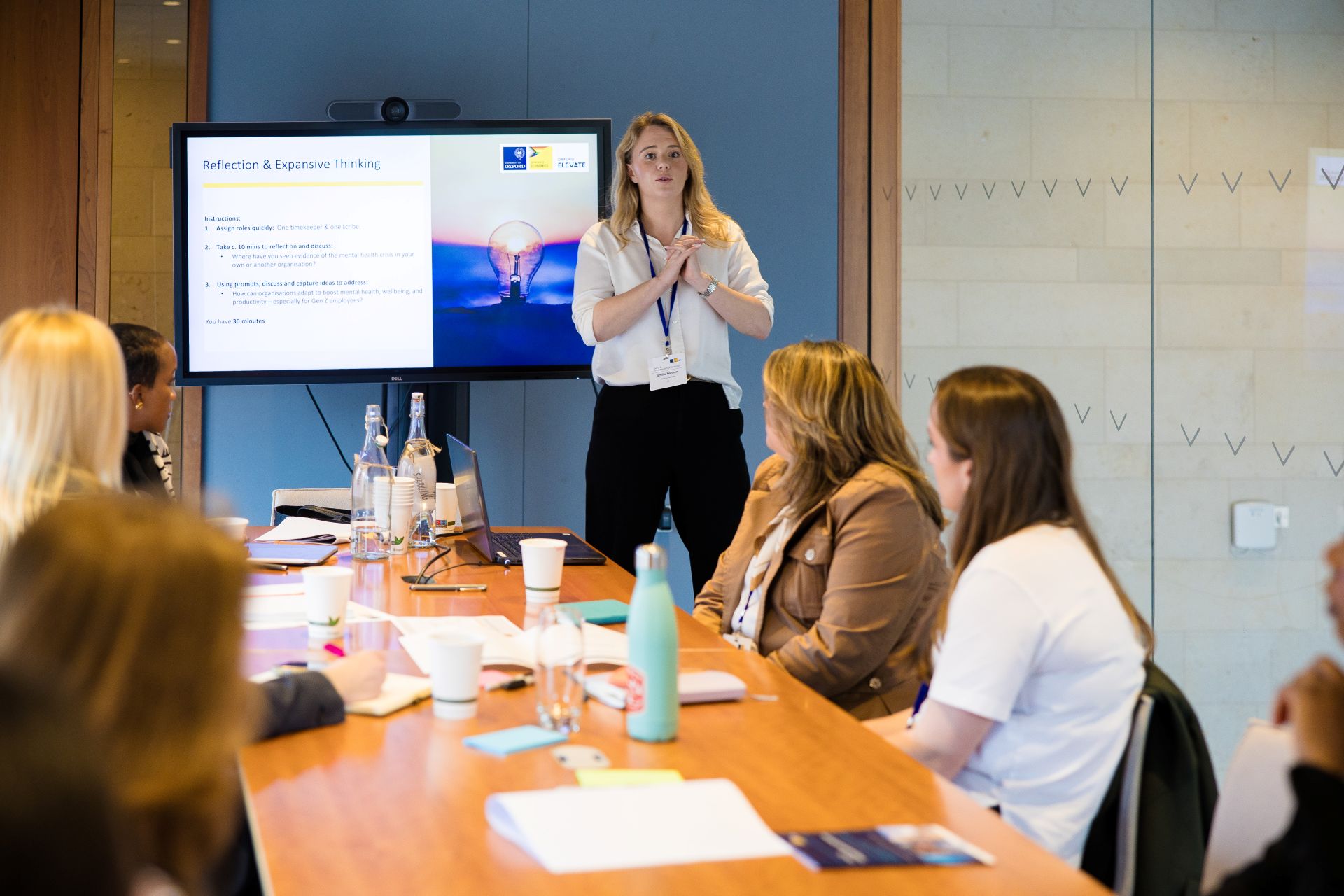
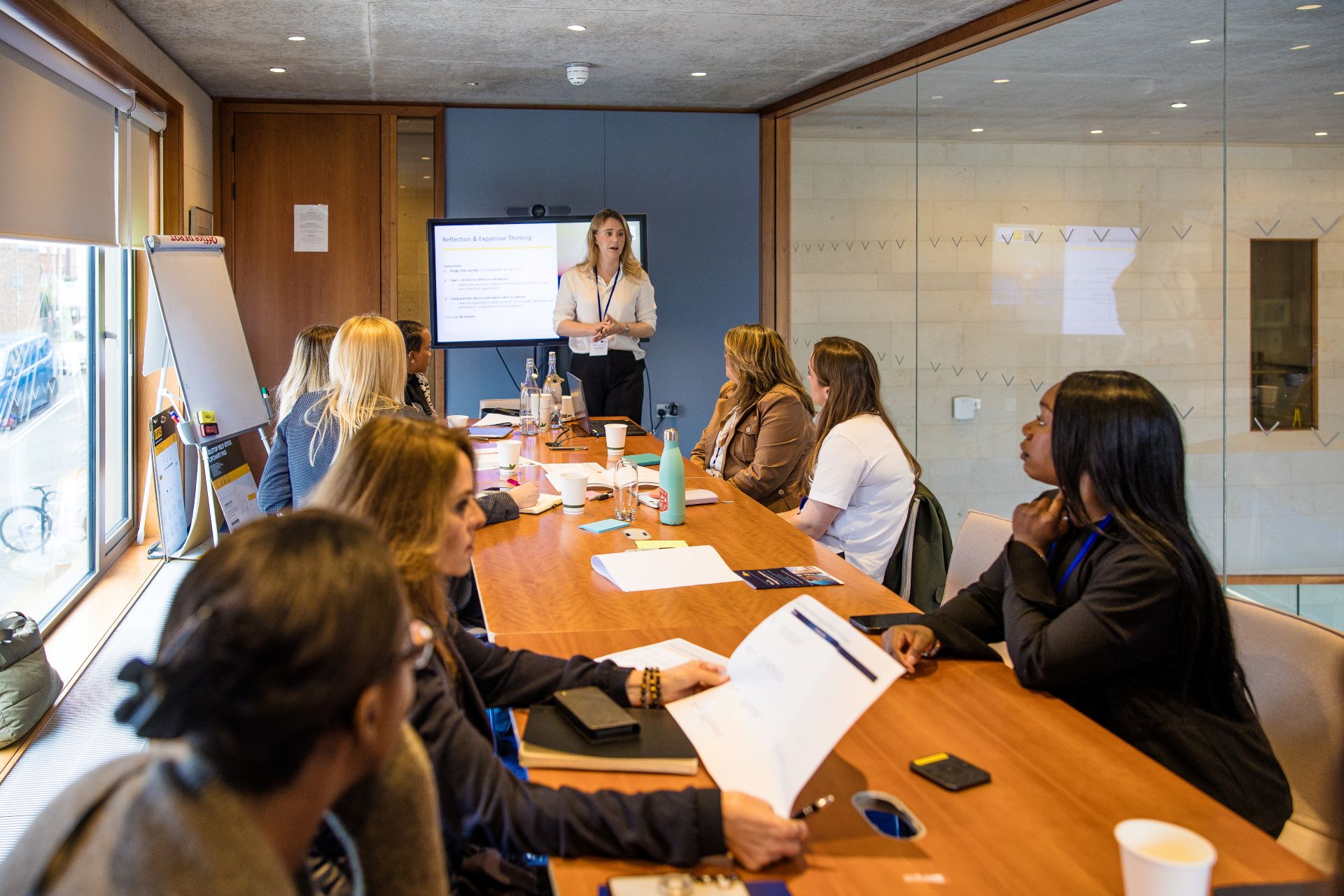
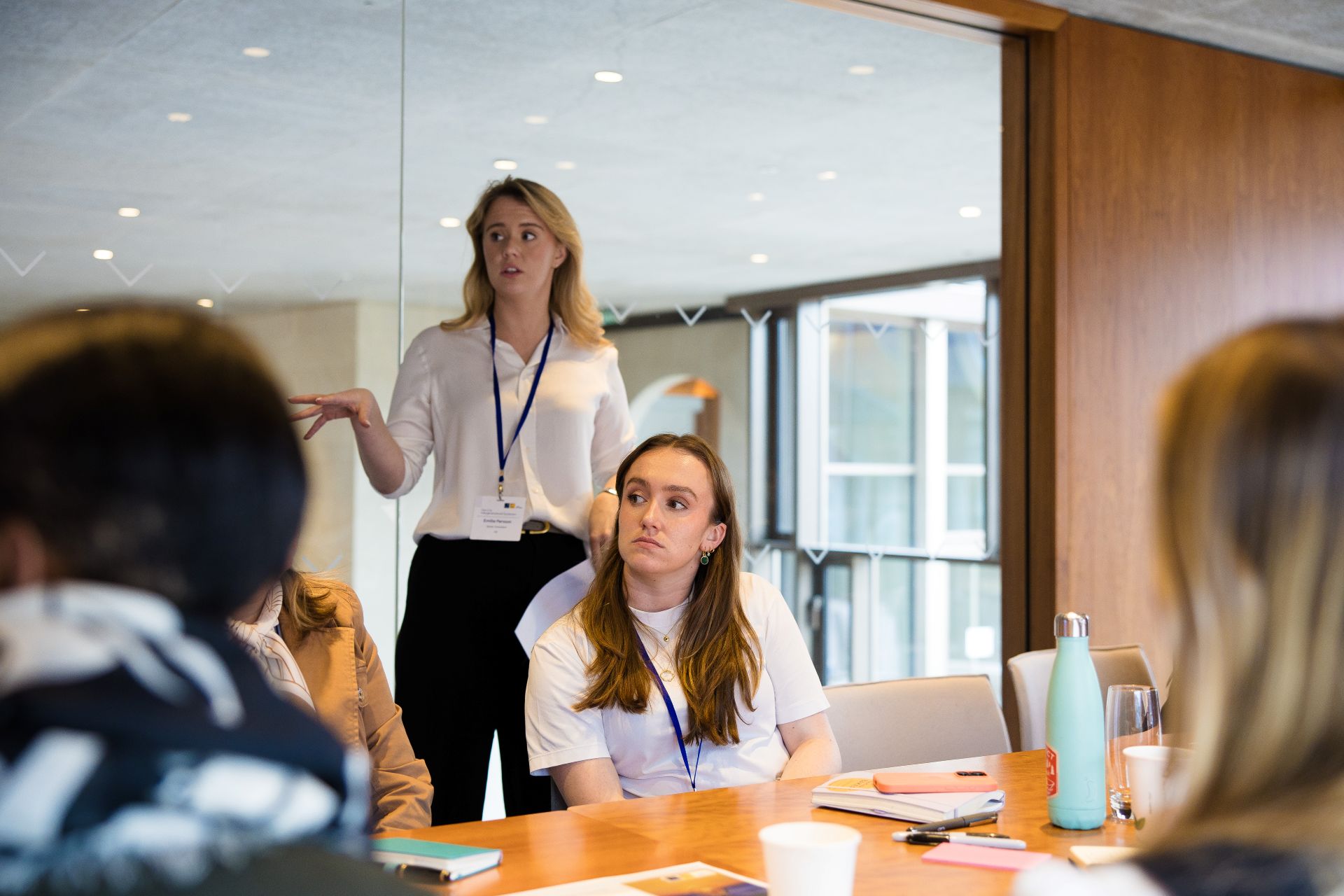
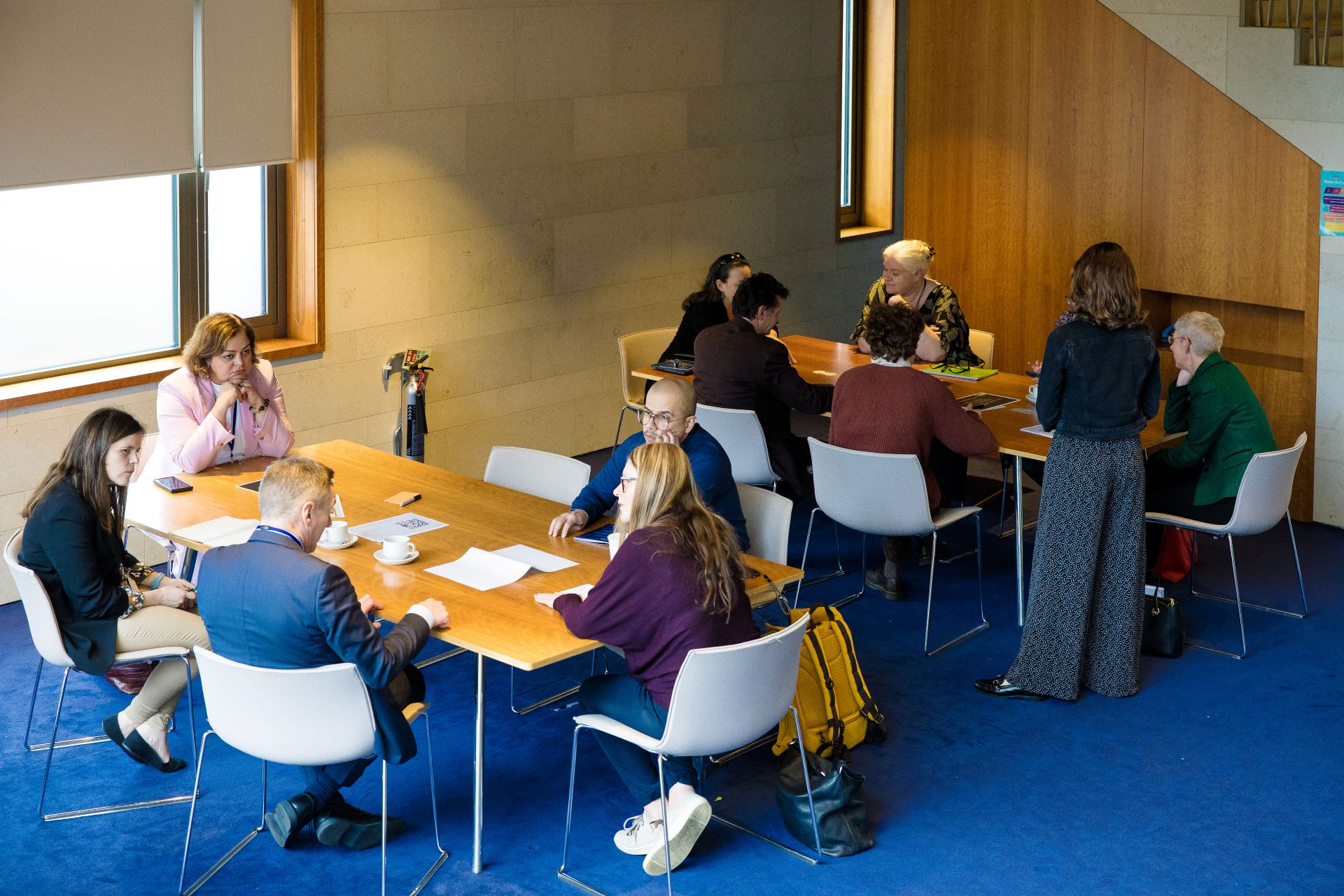
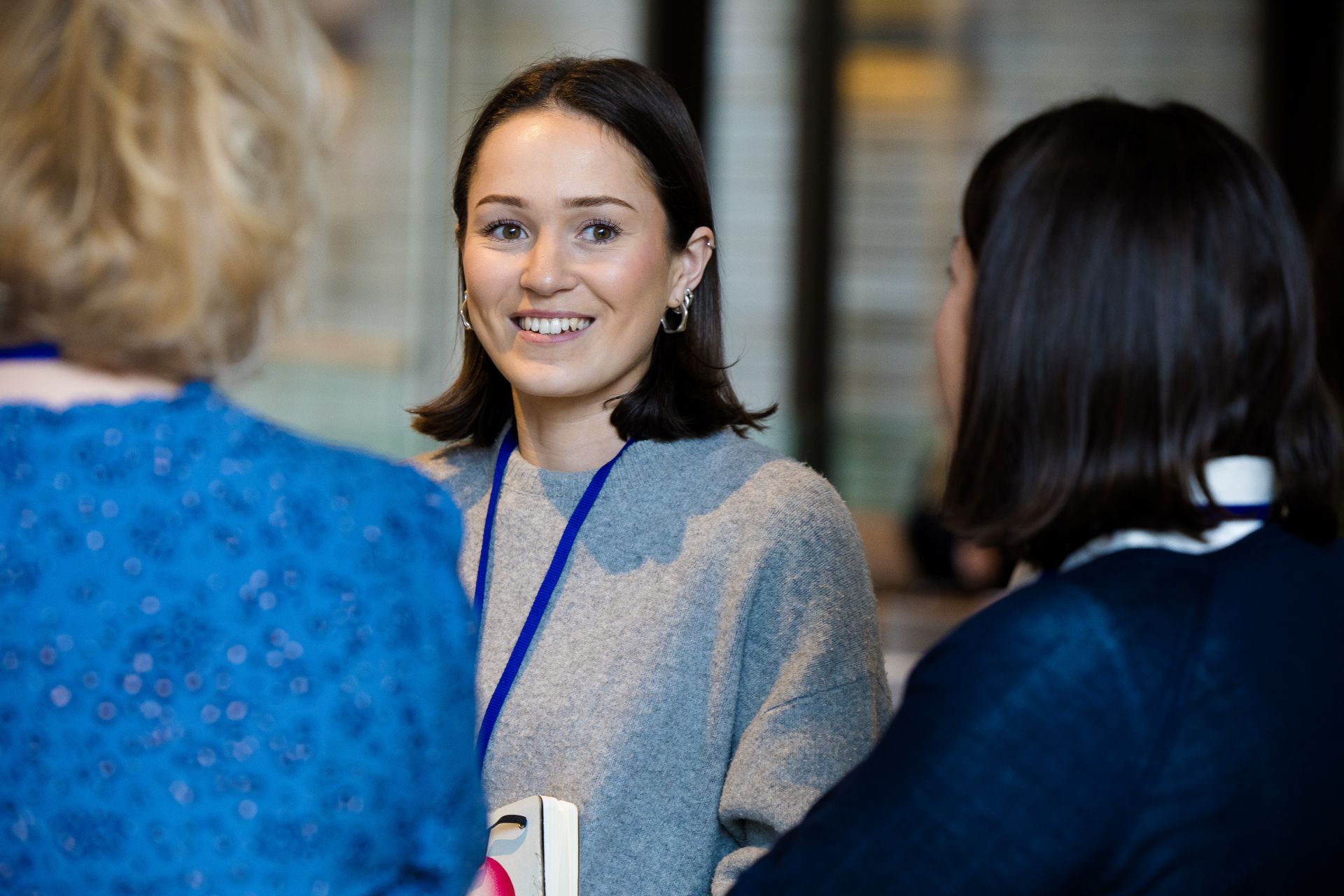
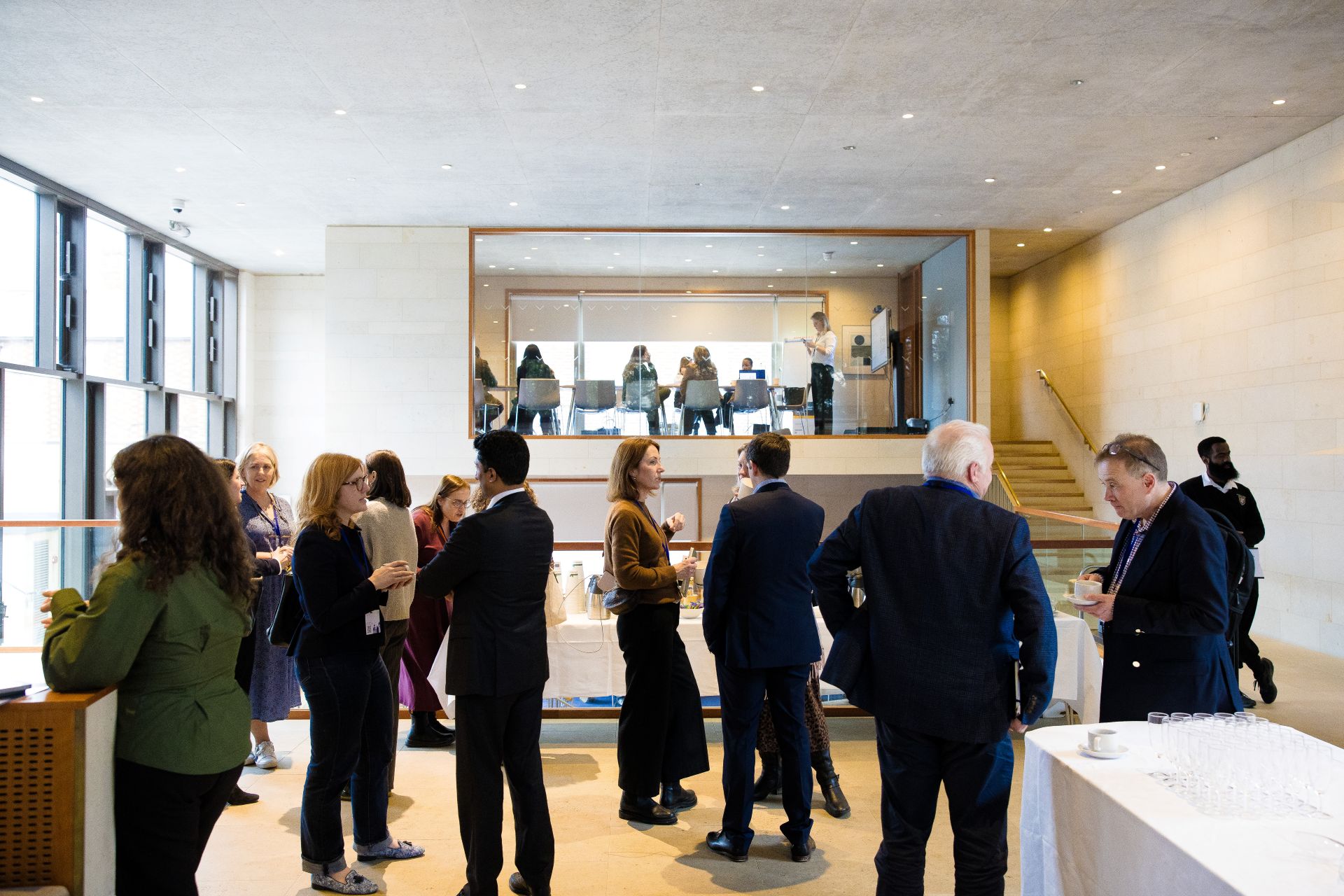
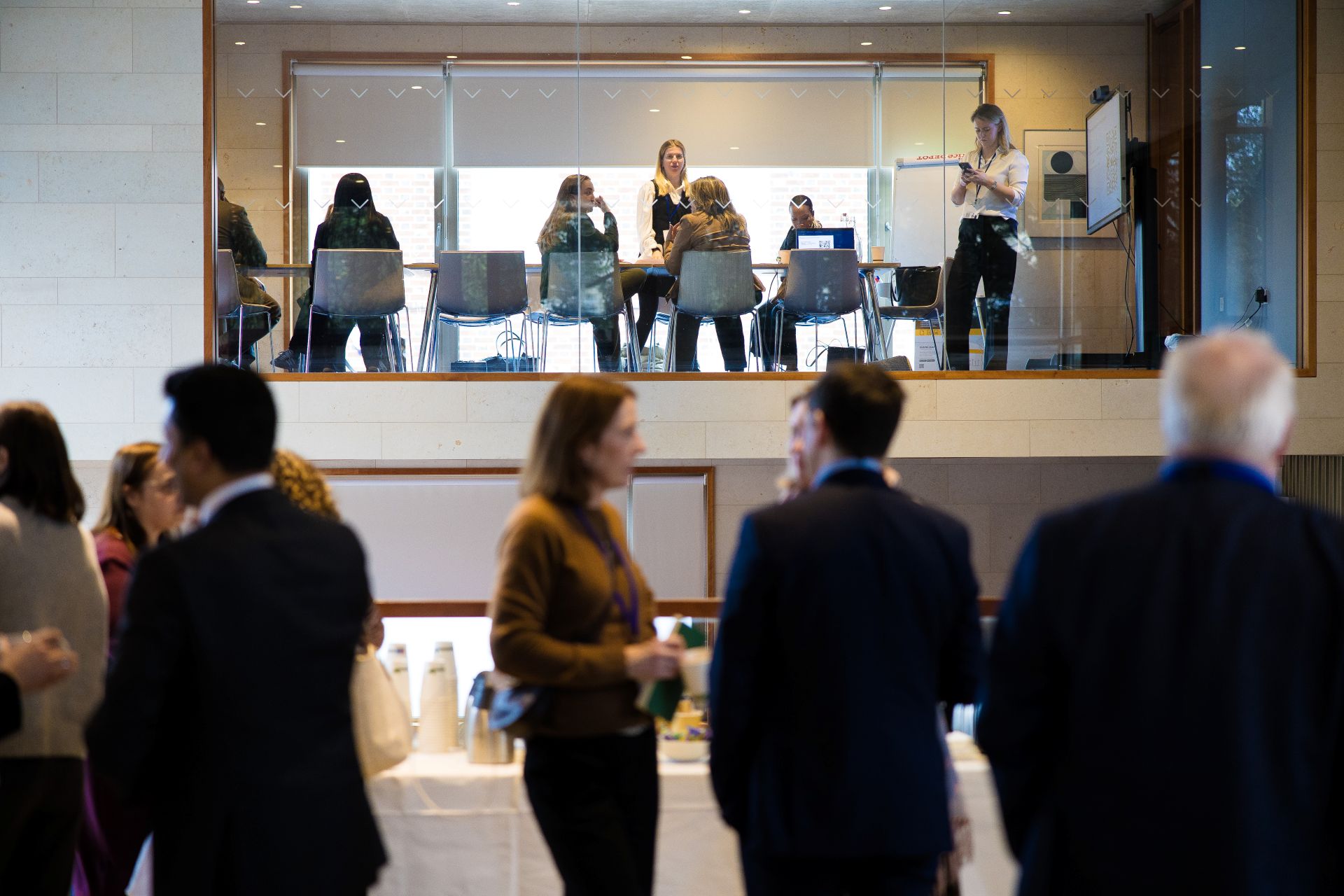
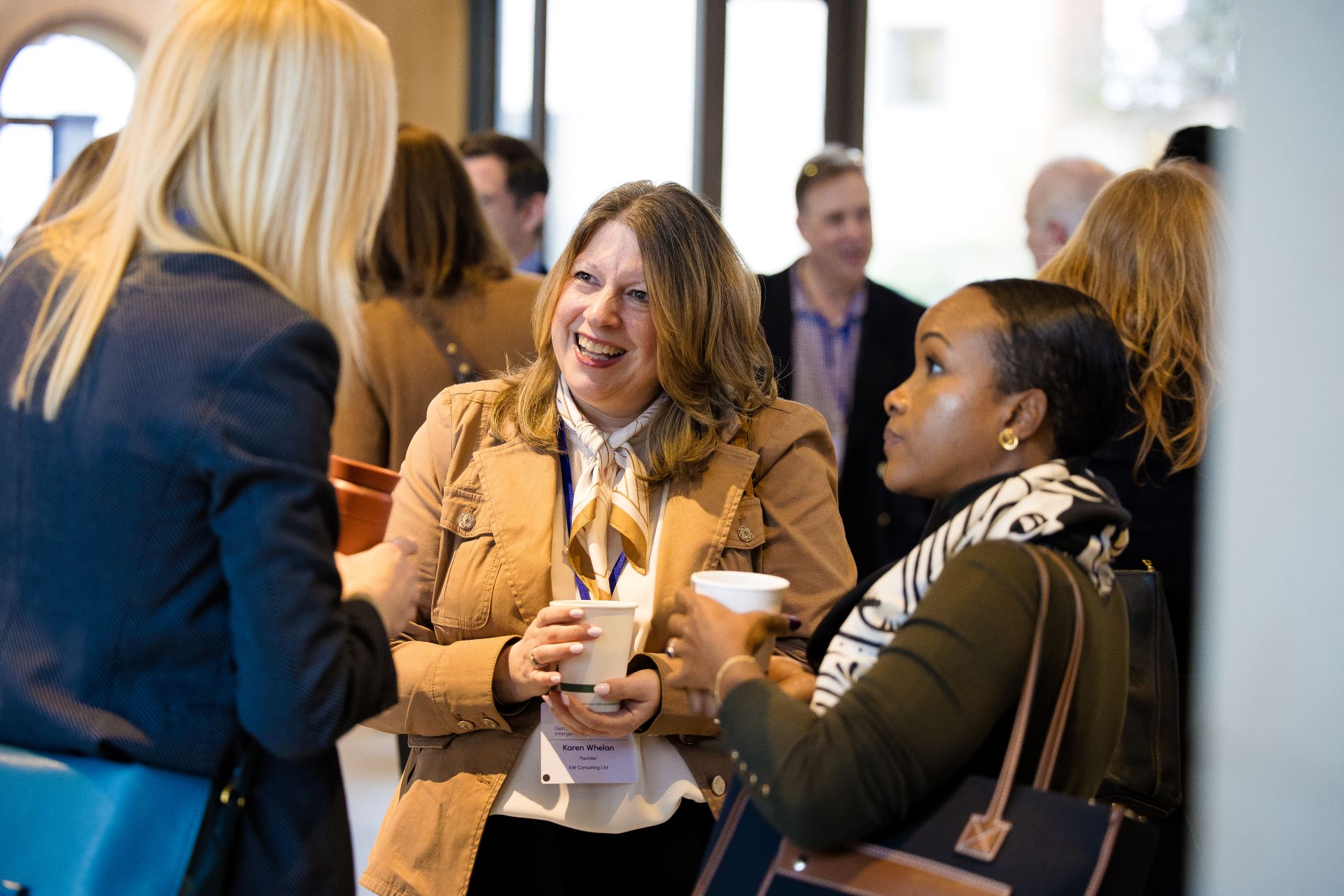
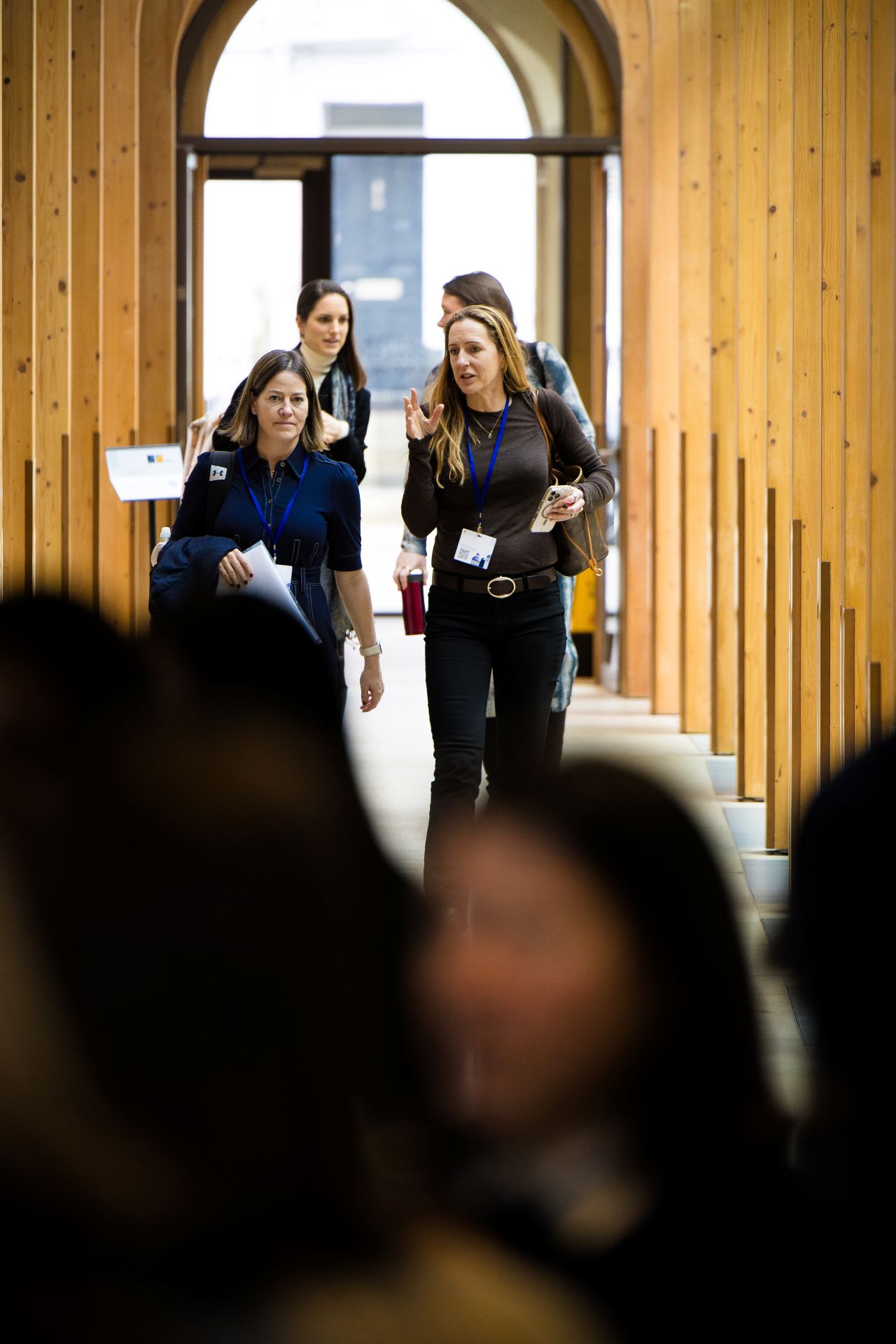
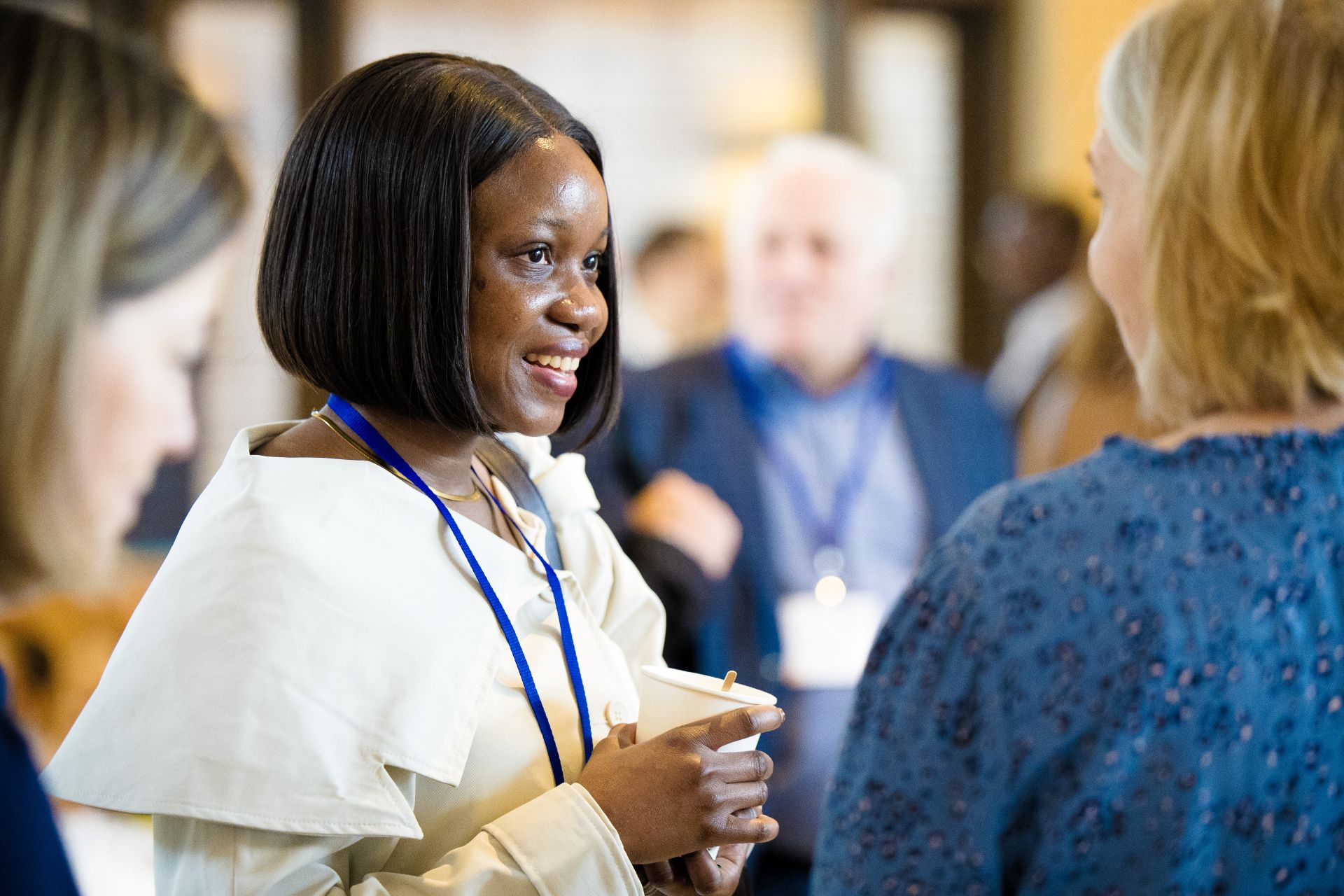
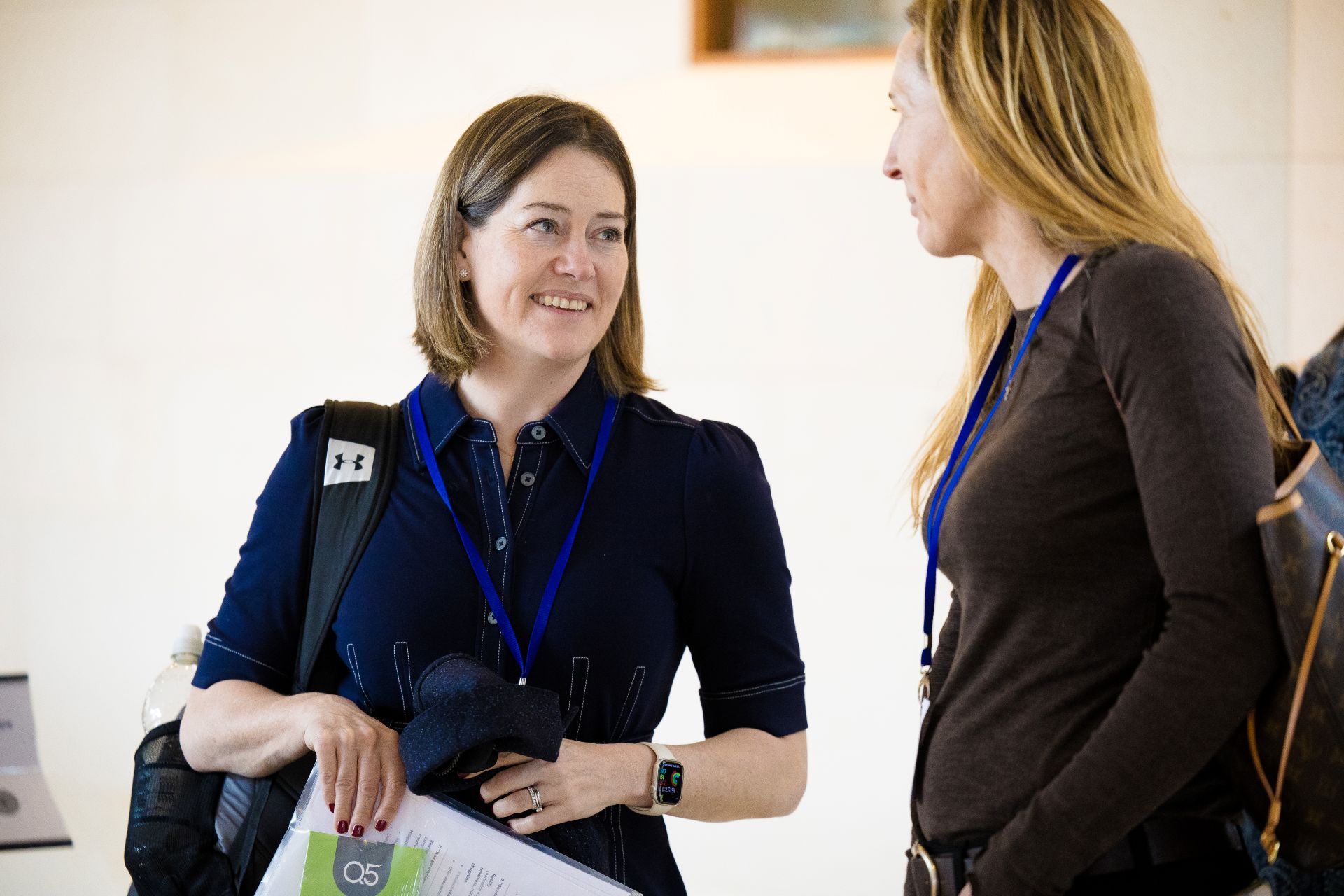
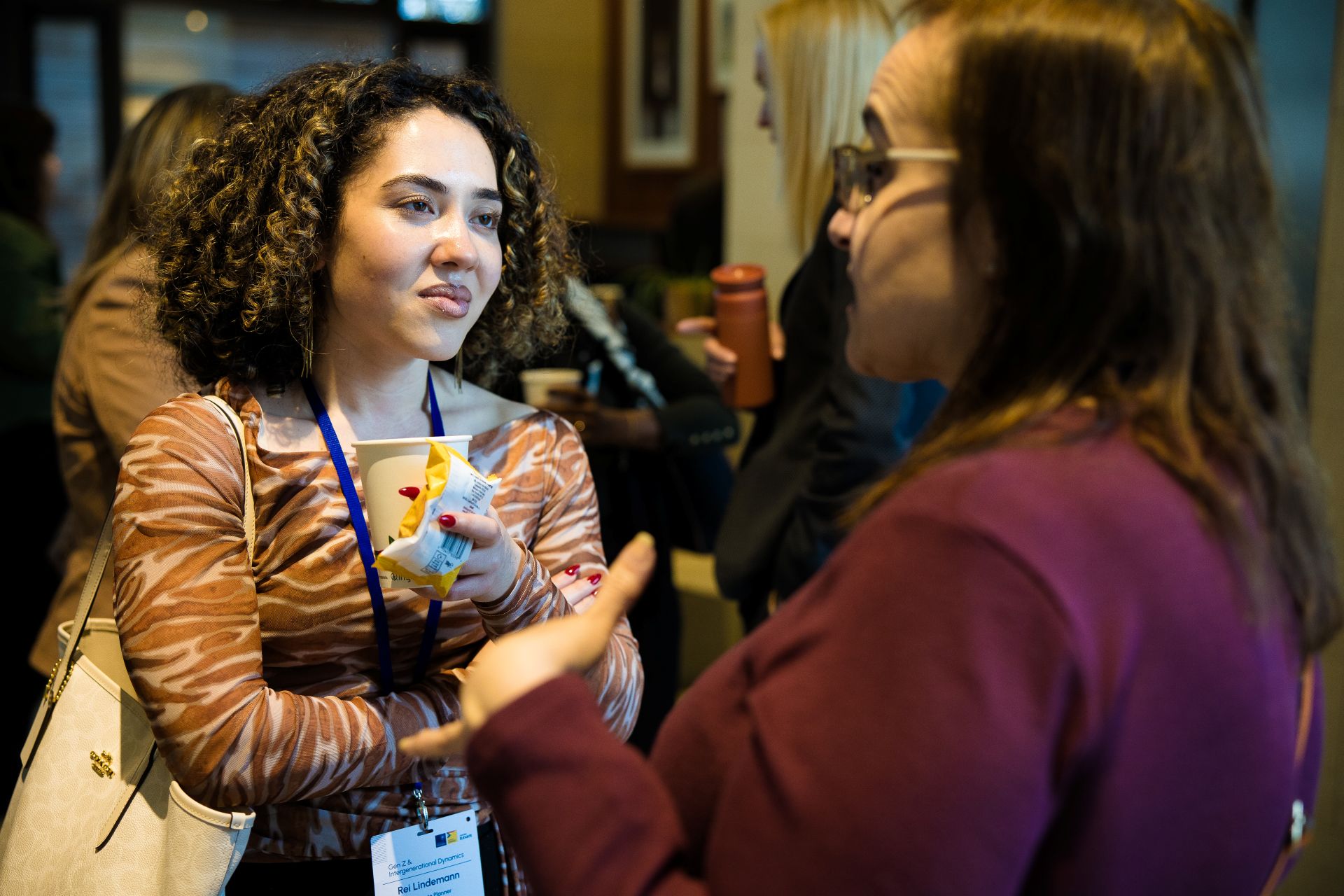
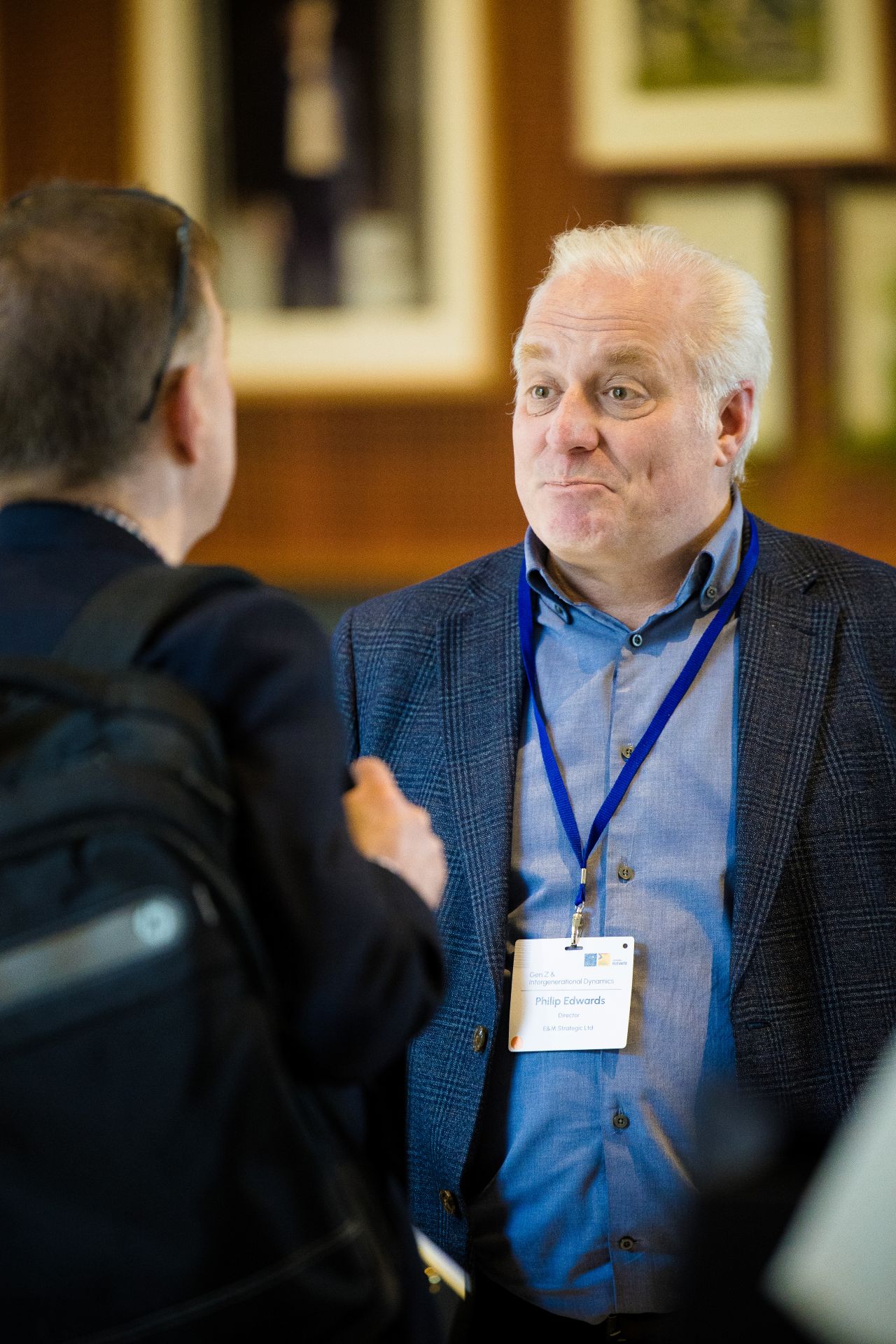
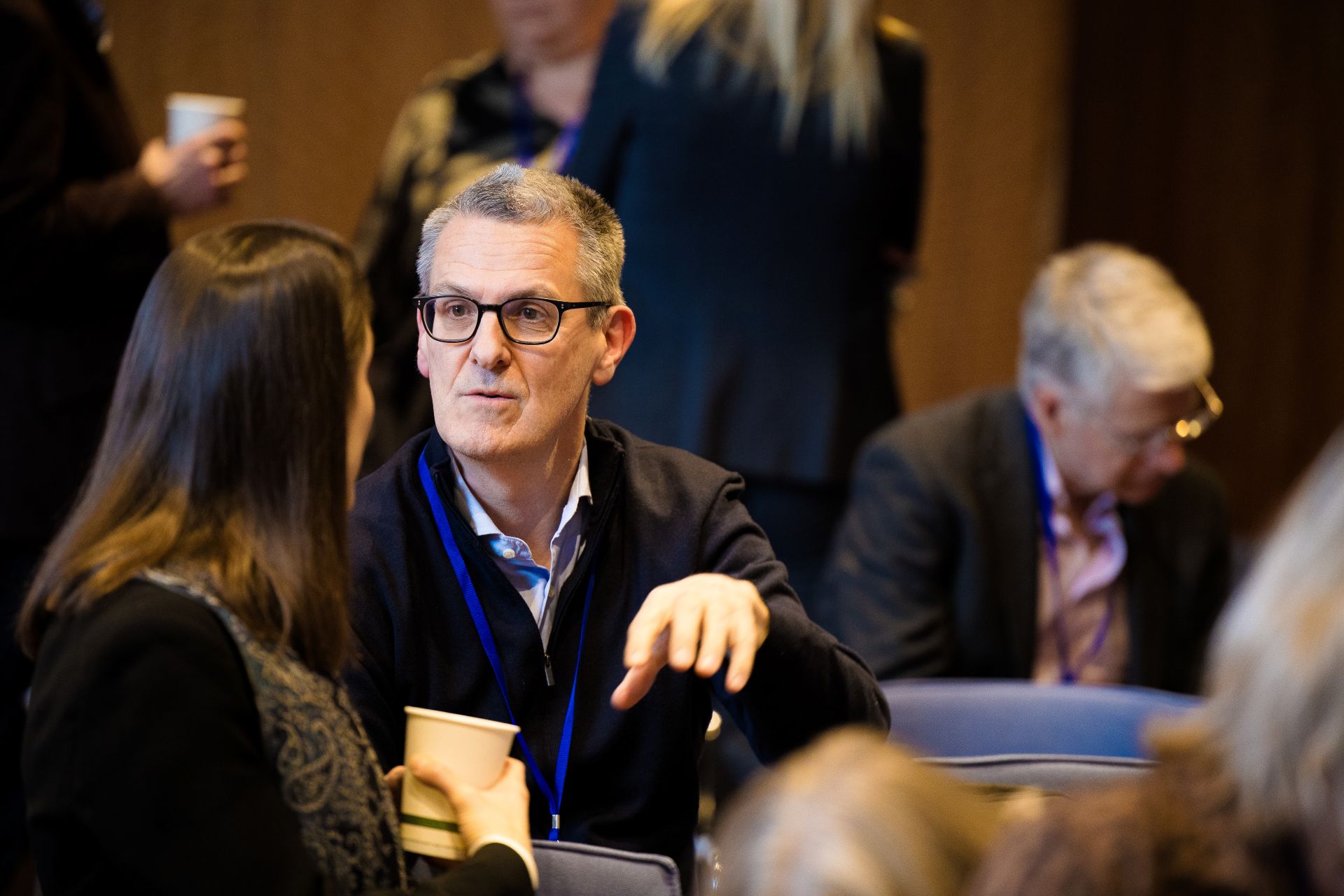
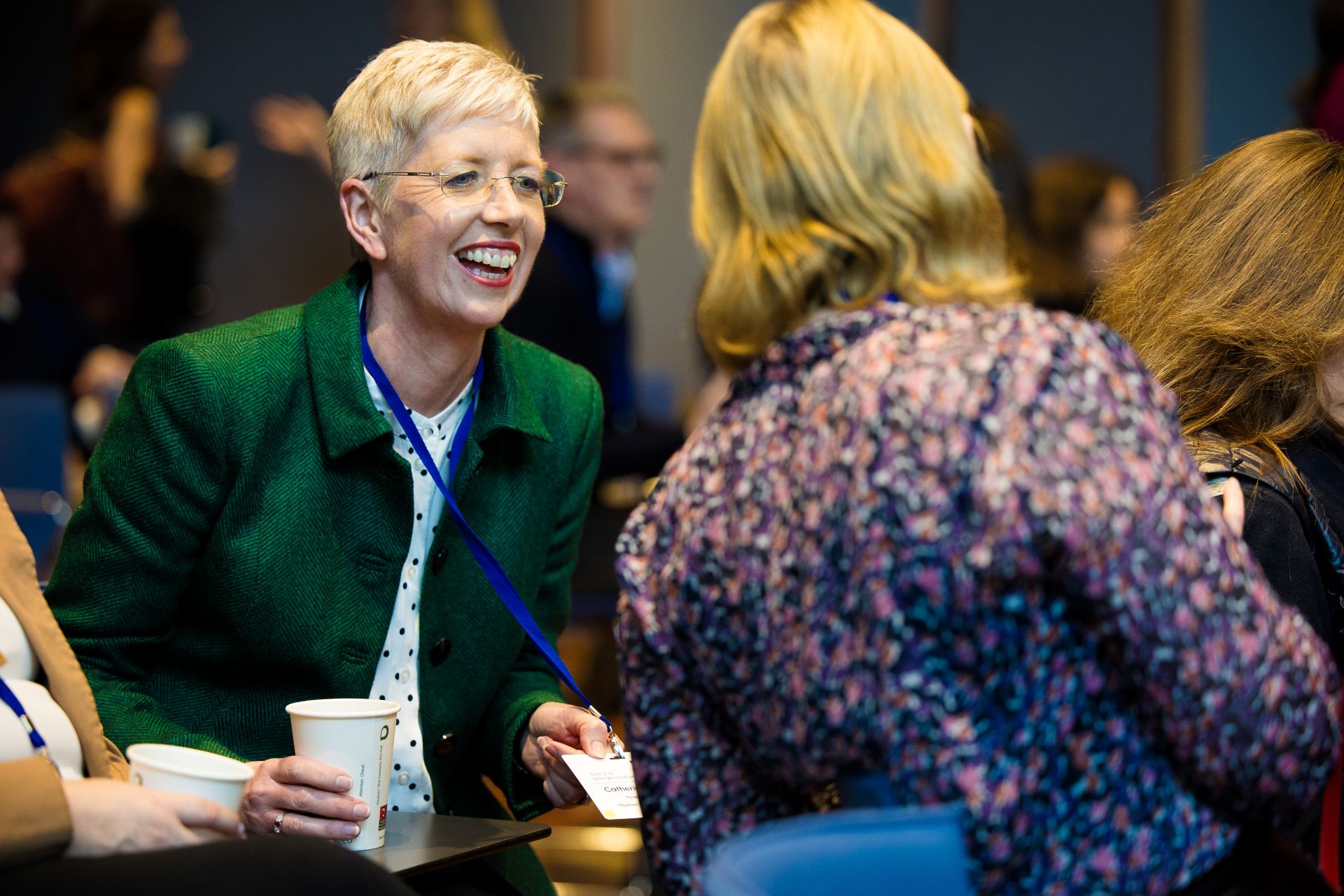
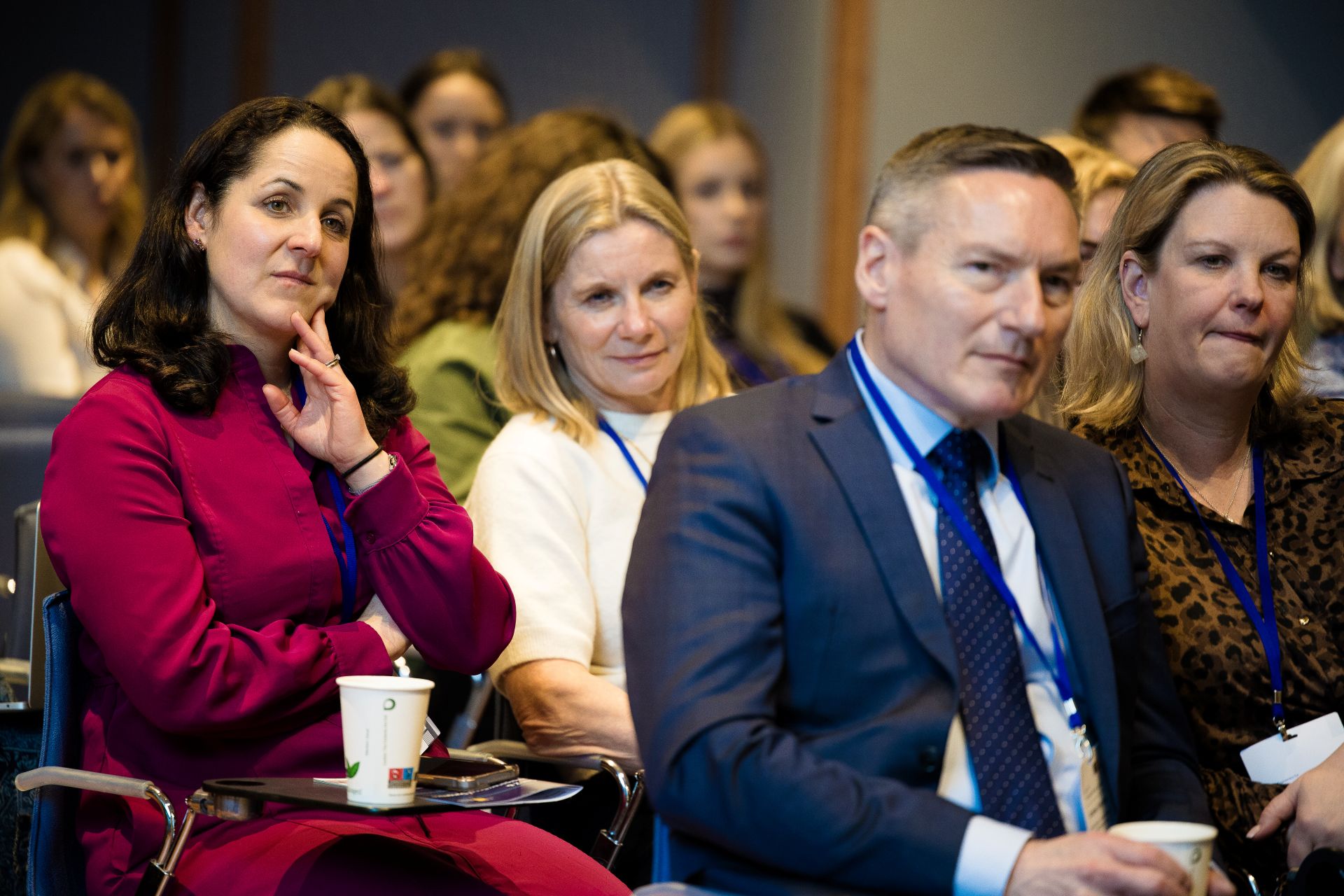
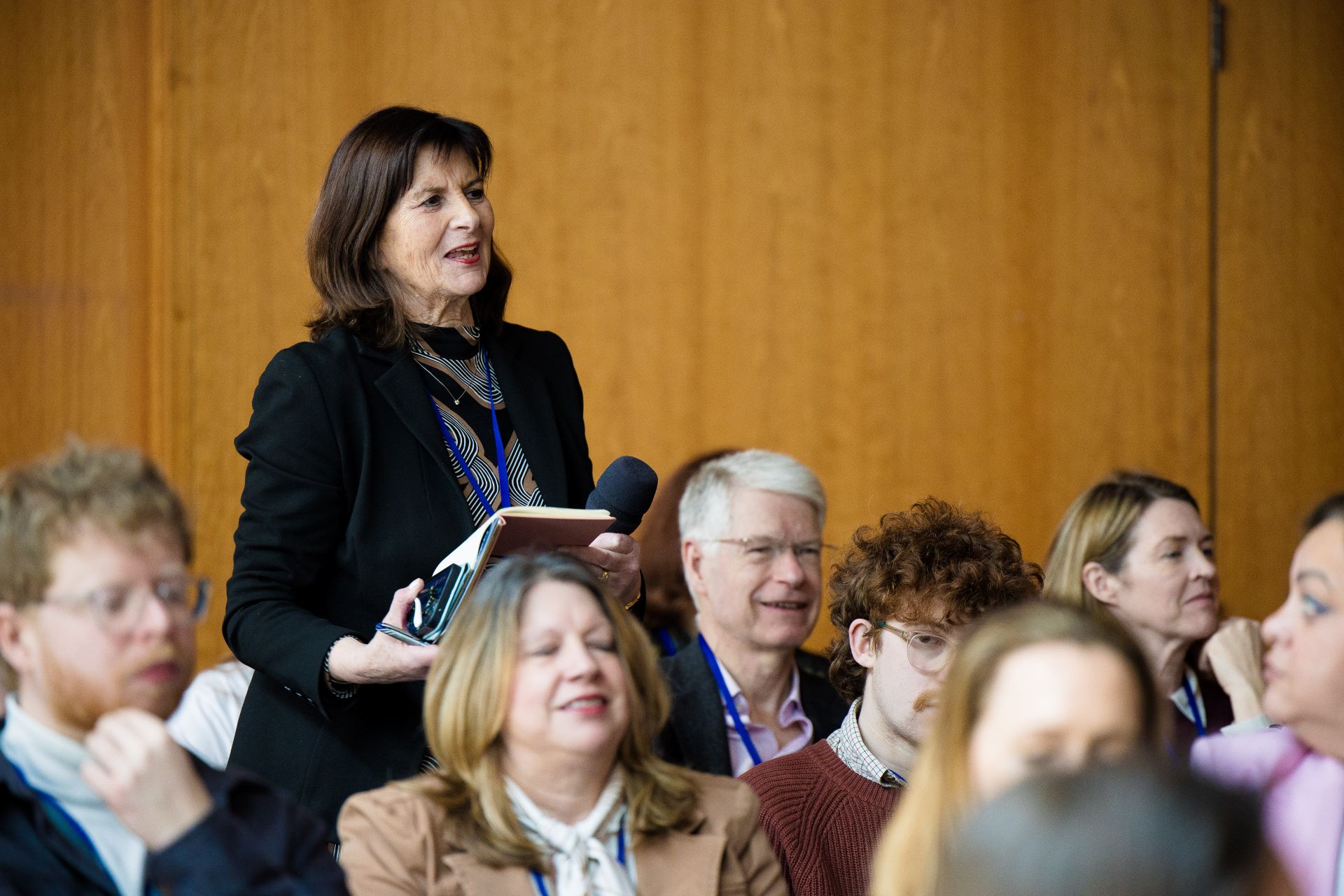
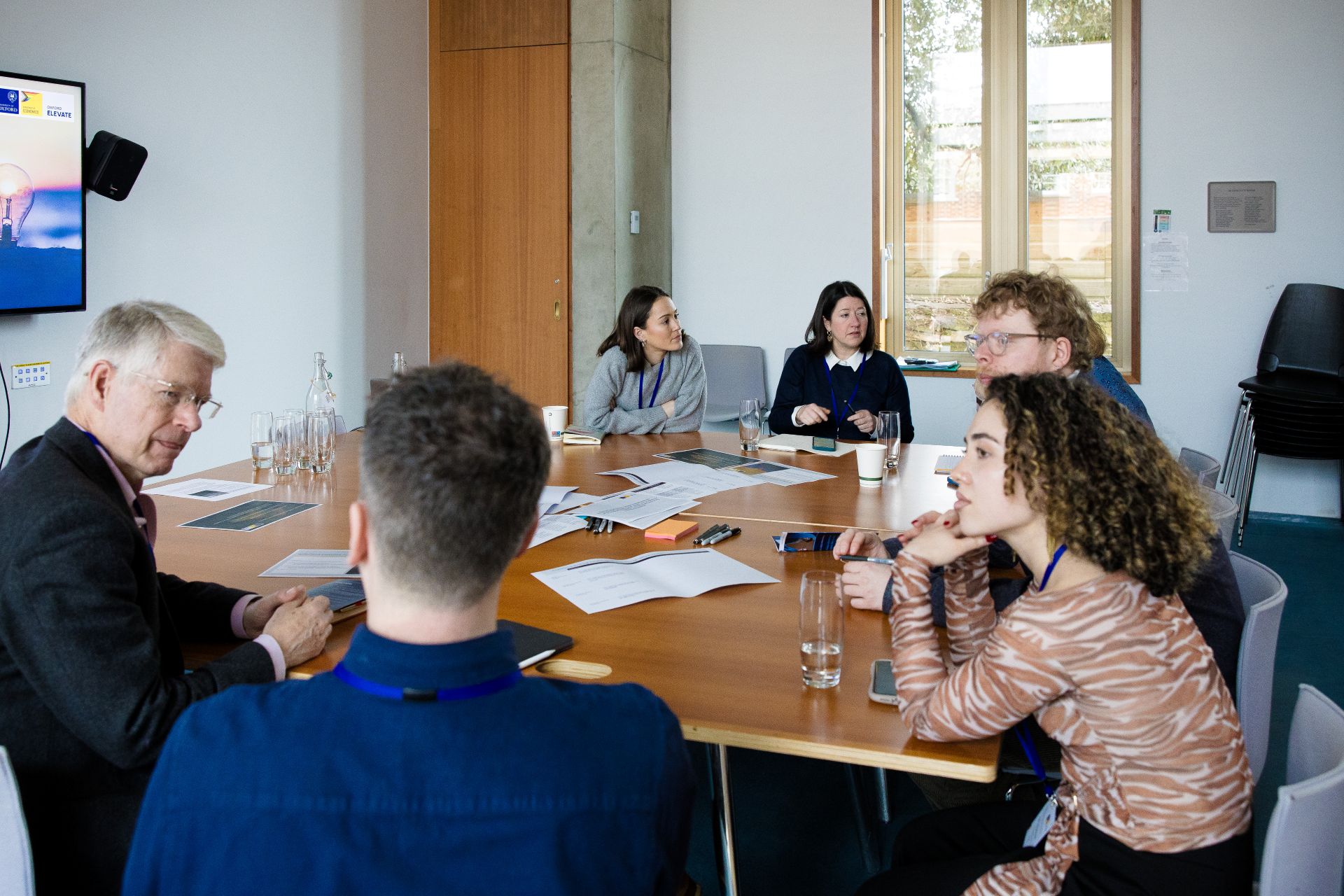
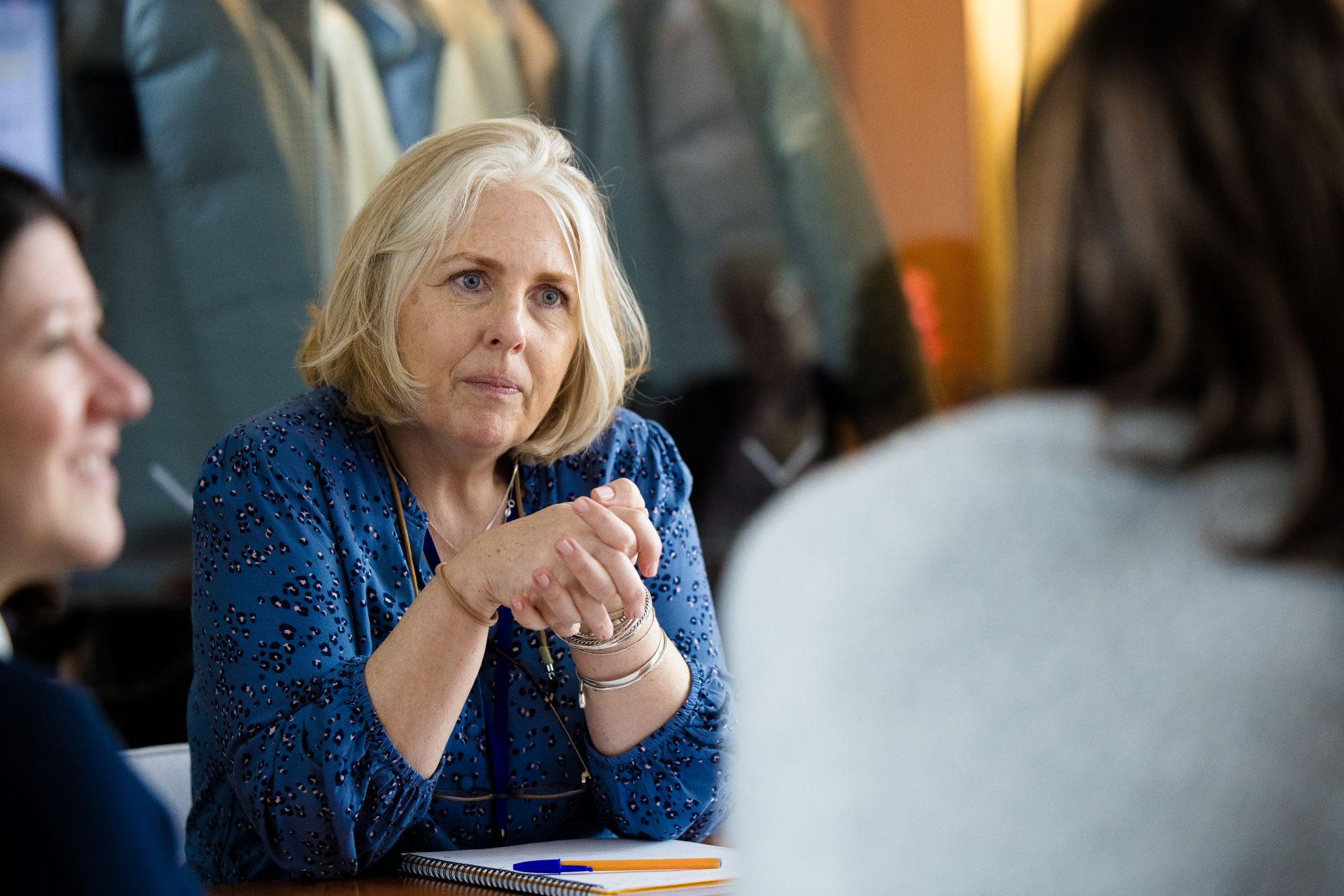
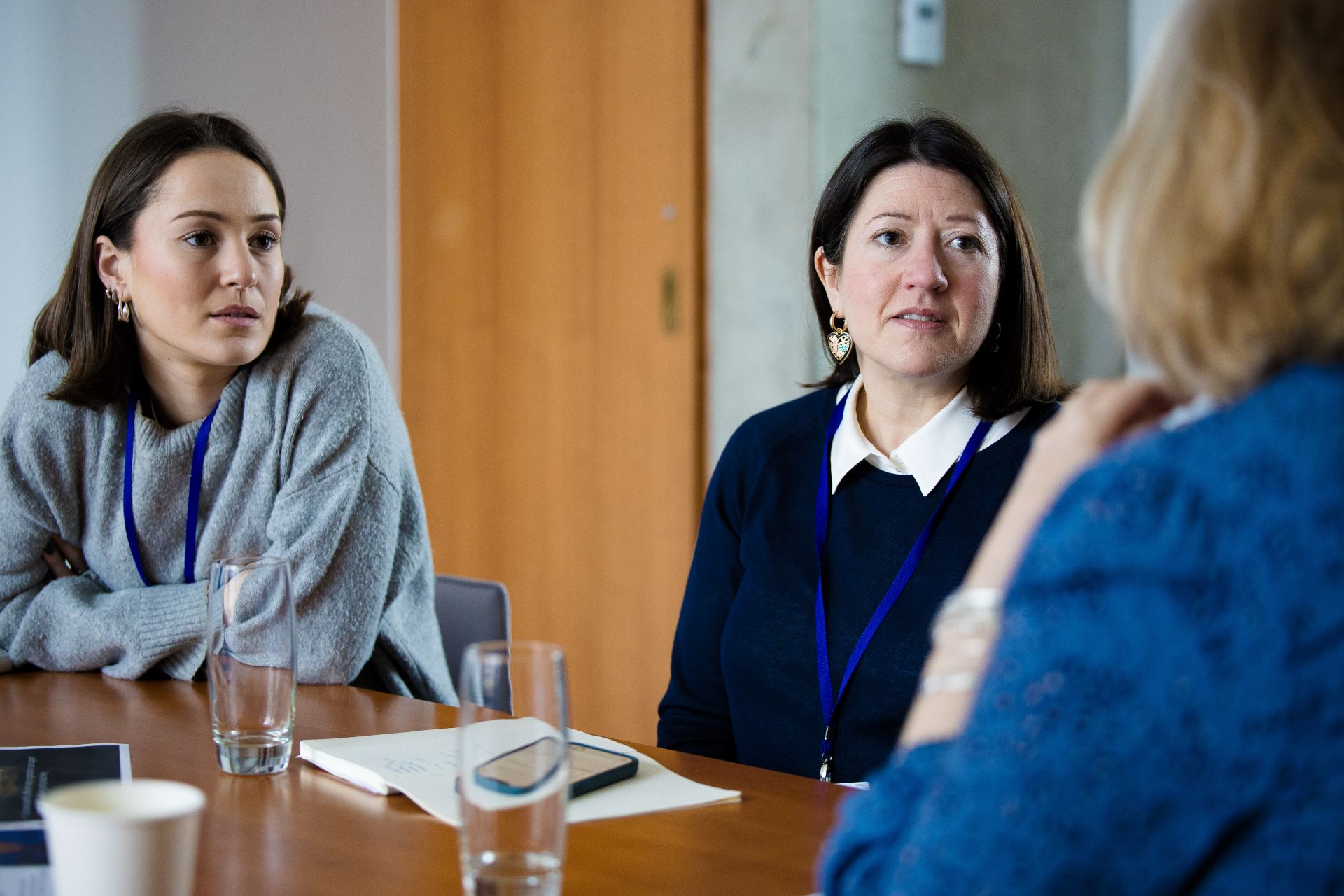
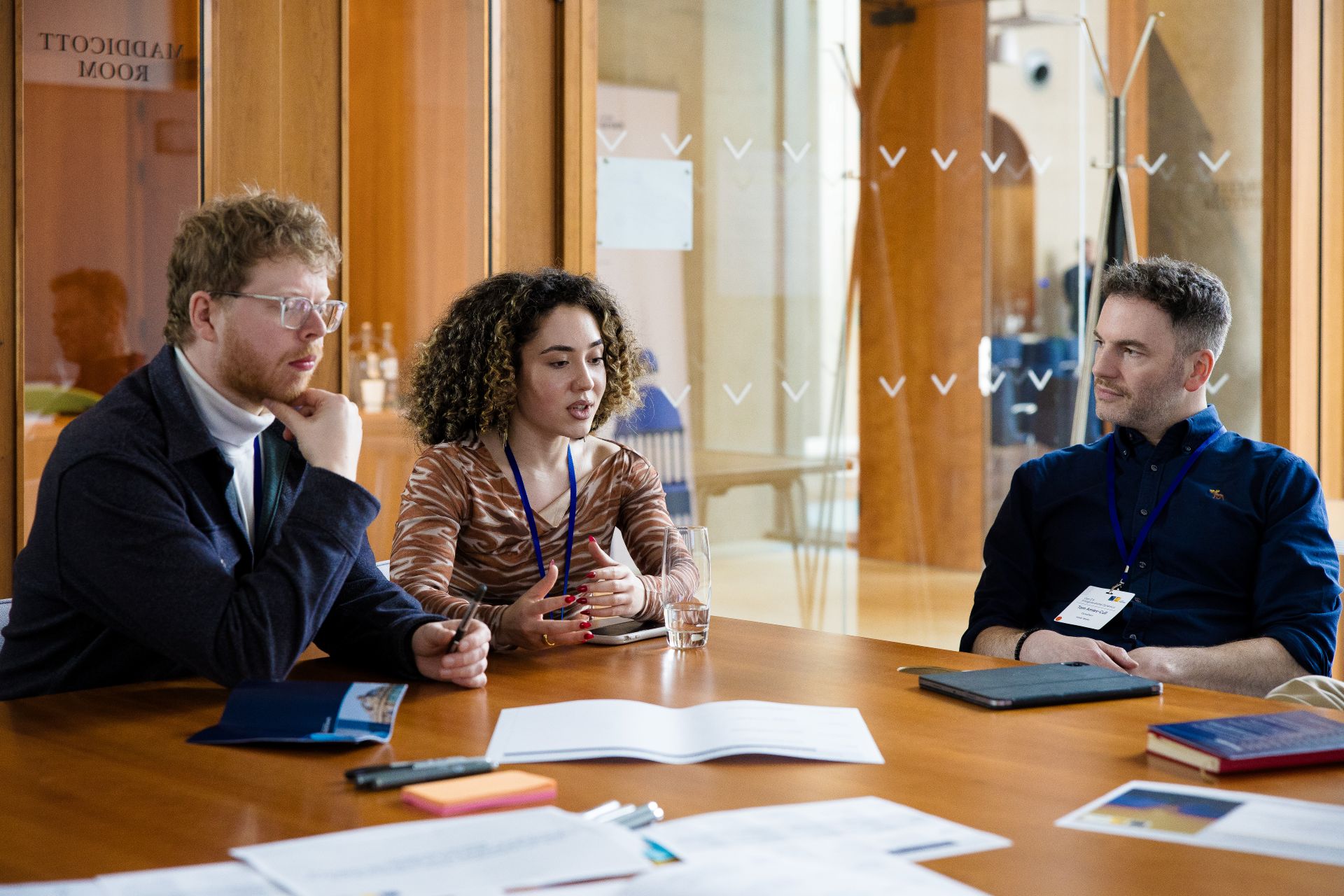
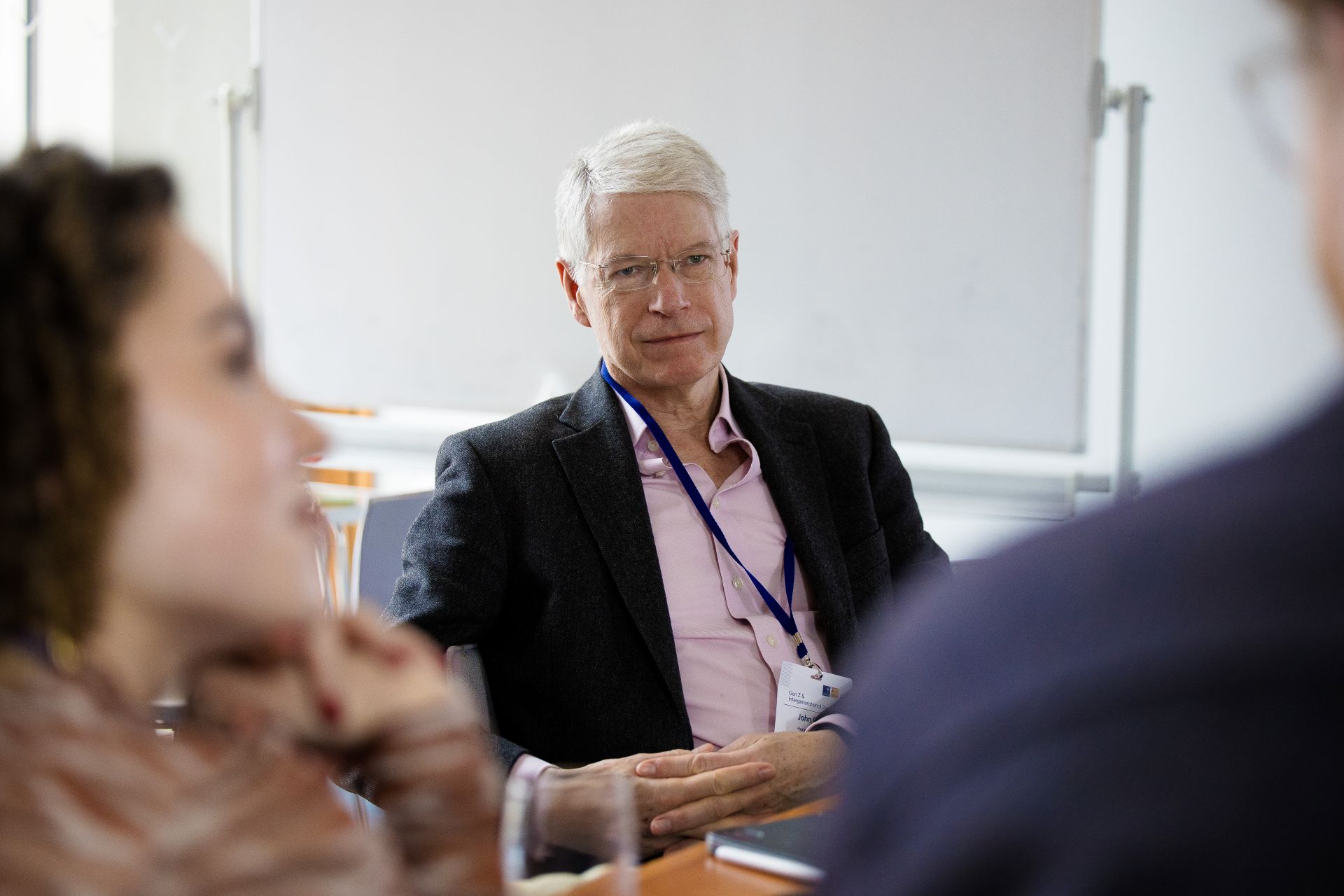
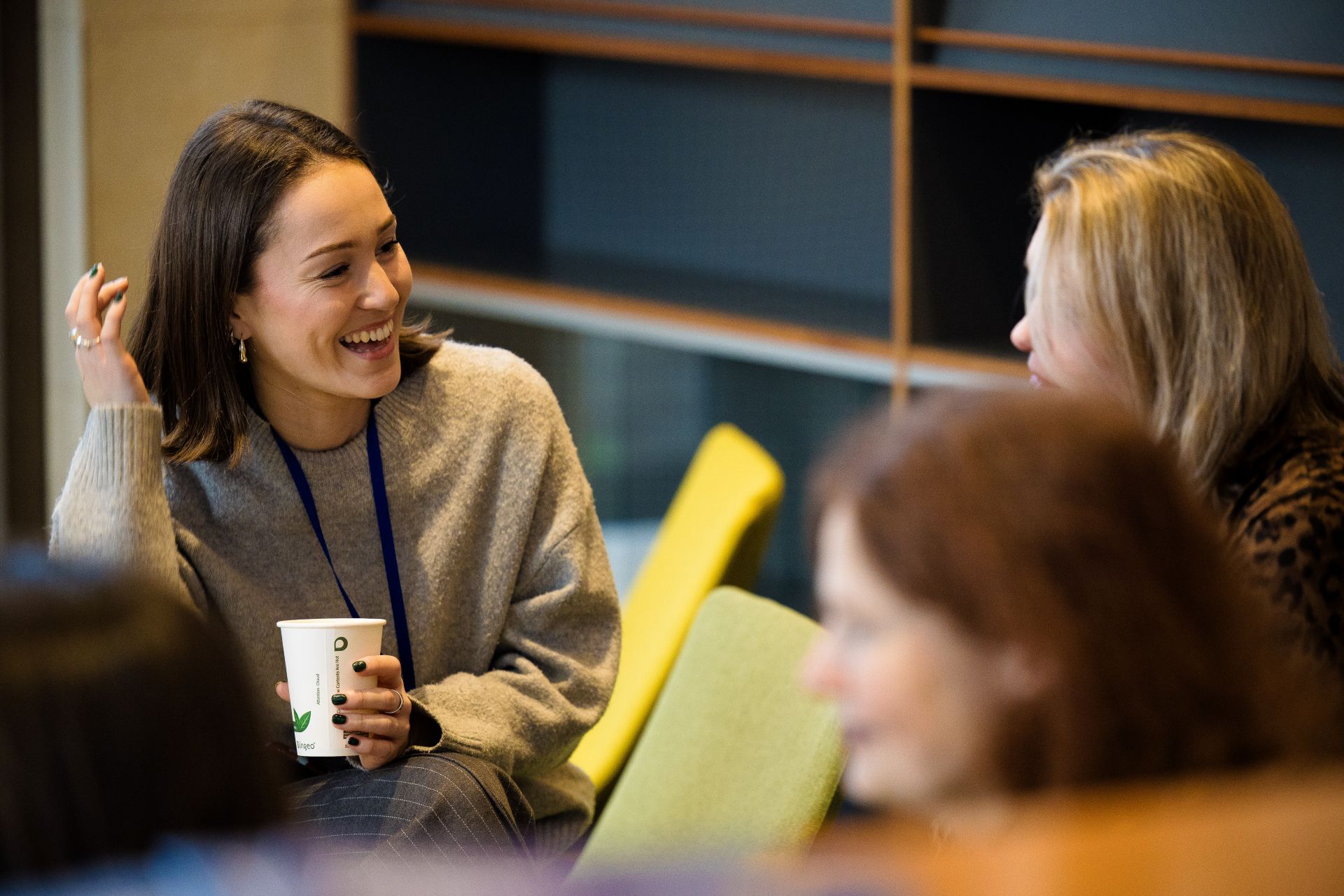
Running through the day was a practical question: what would it actually take to build workplaces in which different generations can work well together? Between keynote sessions, participants used panel discussions and Q5-led breakout groups to test that question against the realities of organisational life. A clear theme emerged. Generational labels may help describe broad patterns, but they can also harden into assumptions that obscure the pressures people are actually navigating.
Participants noted, for example, that many Gen Z employees feel a need to prove themselves against stereotypes about work ethic, while also trying to articulate expectations around flexibility, wellbeing and work-life balance shaped by a very different economic and social context. Discussion also touched on financial behaviour, including the fact that younger workers may save a greater share of their income not out of caution alone, but as a rational response to instability and uncertainty.
What mattered most, however, was not classification but practice: how organisations communicate, how managers build trust, and how workplace cultures either make room for difference or flatten it.
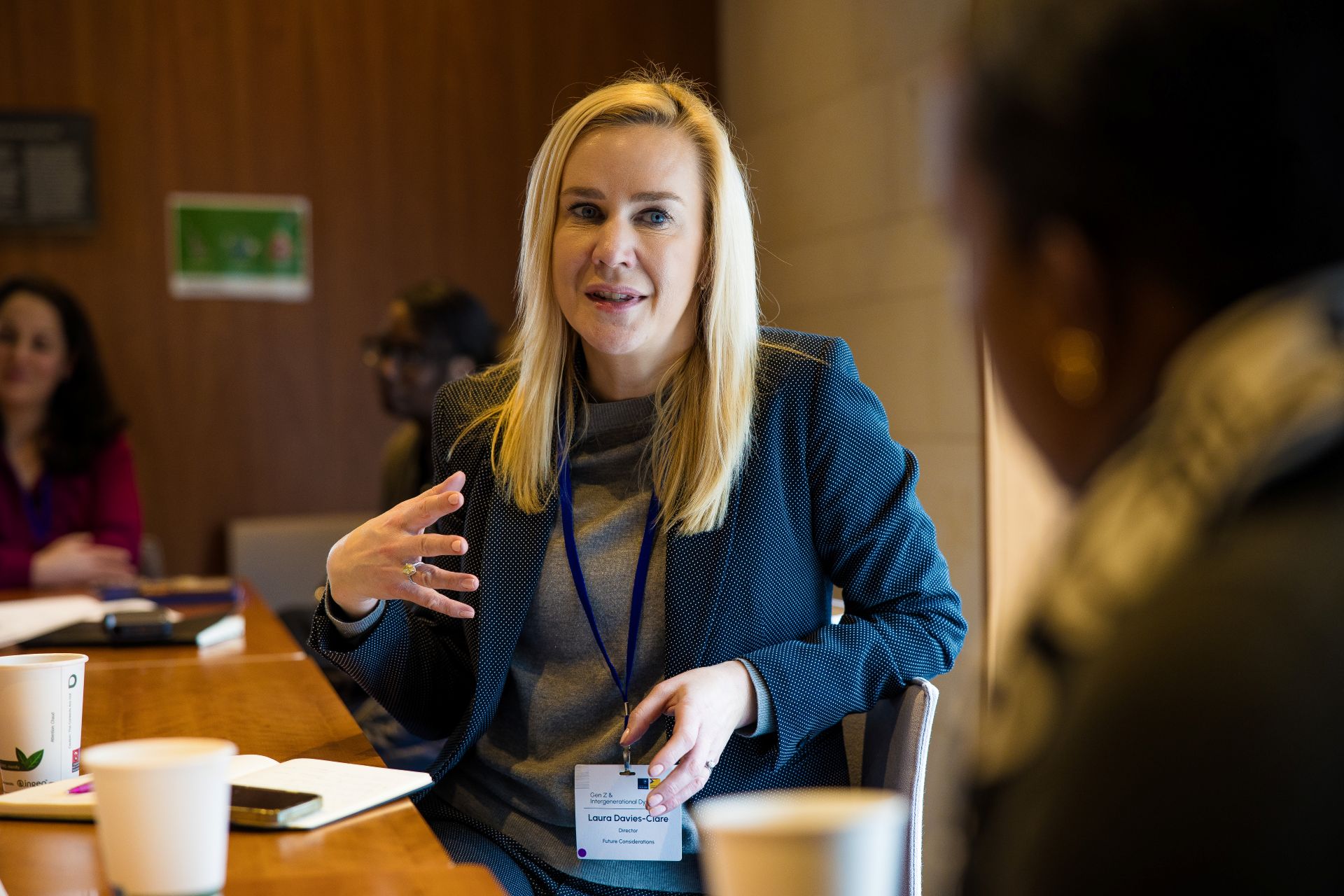
The themes of the workshop resonated beyond the room. Reflecting on the discussions, Laura Davies-Clare, Director of Future Considerations, emphasised the importance of embedding inclusion into everyday practice:
“The highest performing teams aren’t talking more about inclusion - they’re operationalising it. Let’s make inclusion endemic. Woven into how we lead, relate, and make decisions every day. Not as an initiative, but as a way of being that supports younger generations navigating the world of work and mental health struggles, strengthens organisational health, and enables people to be seen, valued and able to contribute at their best. What might shift if inclusion was something your people experienced every day, not just something you talked about?”
Her remarks captured one of the workshop’s clearest conclusions: better intergenerational outcomes will not come from labels alone, but from the everyday decisions, behaviours and structures that shape working life.
Looking ahead
The workshop concluded with a focus on solutions. Across the sessions, a clear message emerged: if organisations want to attract, retain and support younger talent, they need a far more informed understanding of the pressures younger generations are facing.
From mental health and access to the labour market to workplace culture and management practice, the discussions pointed to the need for responses grounded in evidence rather than assumption. As Gen Z becomes an increasingly significant part of the workforce, these questions will shape not only individual organisations, but the future of work itself.
At a critical moment of generational change, Oxford Elevate is creating space for the evidence-led conversations organisations now need about the future of work, wellbeing, and opportunity.